10x Genomics single-cell sequencing with Oxford Nanopore Technologies: GEM-X chemistry compatibility and short-read comparison


Requirements
10x Genomics single-cell sequencing with Oxford Nanopore Technologies: GEM-X chemistry compatibility and short-read comparison
FOR RESEARCH USE ONLY.
Contents
Introduction
Preparing and analysing 10x libraries with Oxford Nanopore Technologies' end-to-end workflow
- 1. Protocol overview
- 2. Sequencing and basecalling overview
- 3. Downstream analysis overview
- 4. Openly available datasets on two human cell lines
Compatibility with 10x GEM-X 5' and 3' chemistries
Comparing long Oxford Nanopore reads and short Illumina reads
Long reads enable transcript isoform level analysis
Technical considerations for sequencing library preparation and analysis
- 8. Library requirements
- 9. Choice of basecalling model
- 10. Compute requirements for downstream analysis
References
Change log
Introduction
The 10x Genomics Chromium platform is an automated microfluidics method to capture and quantify transcript levels in thousands of individual cells at a time. The full-length cDNA amplicons generated can be used as sample input with Oxford Nanopore Technologies Ligation Sequencing Kit and sequenced on high-output PromethION Flow Cells. Each sequencing run generates approximately 80 million full-length reads per flow cell, with an average read length of >1.0 kb (dependent on the input sample), enabling transcript isoform level analysis and uncovering of new biological insights.
This know-how document provides:
1. A brief introduction to our library preparation and analysis offering for 10x Genomics Chromium Gene Expression assays.
2. Guidance on what to expect of typical Oxford Nanopore runs on amplicons generated using the 10x Genomics Chromium GEM-X Universal 5’ and 3’ Gene Expression assay on peripheral human blood mononuclear cells (PBMCs).
3. A comparison of data generated with 10x Genomics Chromium GEM-X Gene Expression assay and using Oxford Nanopore vs. a short read platform using HEK293T and Jurkat cells.
4. Additional tips and considerations for experiments and analysis.

Figure 1: Workflow overview. Schematic of Oxford Nanopore’s offering for library prep and analysis for cDNA amplicons obtained with the 10x Genomics Chromium single cell gene expression analysis platform.
Preparing and analysing 10x libraries with Oxford Nanopore Technologies' end-to-end workflow
Protocol overview
Amplicons obtained from the 10x Chromium platform can be prepared into libraries using the Ligation Sequencing Kit (SQK-LSK114), and the libraries are then sequenced on PromethION Flow Cells on PromethION devices. Each library preparation uses 10 ng of cDNA amplicons from the 10x Genomics Chromium GEM-X Universal gene expression assay per PromethION Flow Cell. The protocols support GEM-X Universal 5' (V3) and 3’ (V4) and the Next GEM Universal 5' (V2) and 3’ (V3.1) Gene Expression assays. A step-by-step protocol for preparing Oxford Nanopore sequencing libraries from cDNA generated with the Chromium assay is available online at:
Sequencing and basecalling overview
Sequencing and data acquisition is handled by the MinKNOW sequencing software pre-configured on Oxford Nanopore Technologies sequencing devices. Data can be basecalled live on a PromethION device during sequencing by the MinKNOW software or post-run using the standalone Dorado software. We recommend using the latest high accuracy (HAC) basecalling models.
Downstream analysis overview
The basecalled reads can be easily analysed using wf-single-cell, a bioinformatic pipeline implemented in Nextflow. wf-single-cell can be used as a command-line tool on a single machine or compute cluster, as well as within the EPI2ME Desktop App, which also supports cloud execution. One of the outputs of wf-single-cell is an interactive HTML report, which includes basic QC metrics (sequencing score, read lengths), experiment summary (number of cells, mean reads per cell, etc), and diagnostic knee and saturation plots (Figure 2), as well as UMAP plots for visualising cell clusters (Figure 3). Gene and transcript expression matrices are provided in a format compatible with popular downstream analysis tools such as Seurat (Butler et al. Nat Biotech. 2018). wf-single-cell also supports SNV calling and fusion gene detection.
wf-single-cell is available on GitHub. Further instructions on how to run the workflow can be found in this EPI2ME blog post.
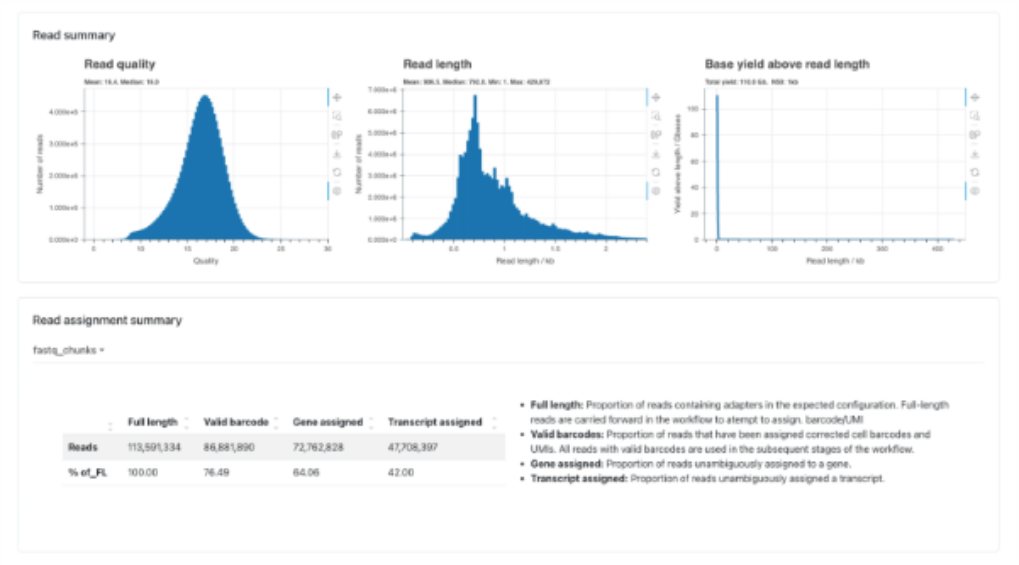
Figure 2: A snapshot of interactive .html output report generated by wf-single-cell. The report includes basic summary statistics such as read number, length, and quality.
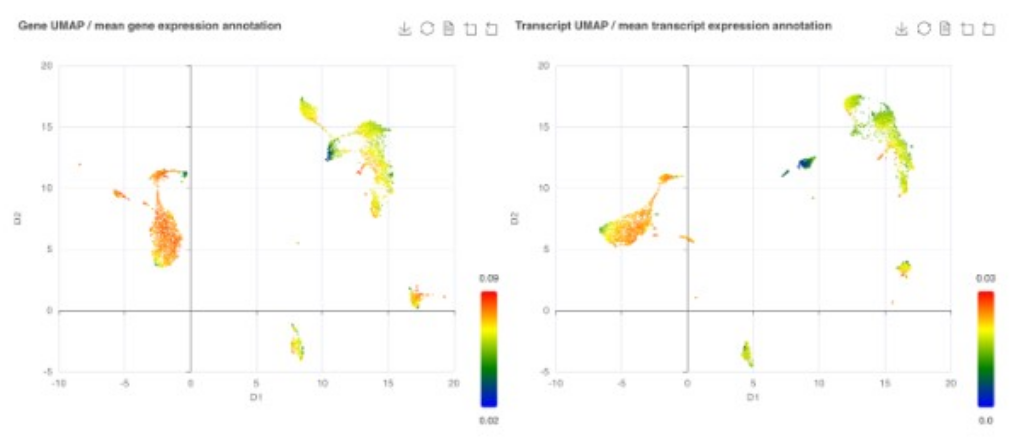
Figure 3: A snapshot of interactive .html output report generated by wf-single-cell. The report includes Uniform Manifold Approximation and Projection (UMAP) clustering and visualisation of cells by gene and transcript expression.
Openly available datasets on two human cell lines
Sequencing data has been released for eight Oxford Nanopore sequencing libraries that were prepared using 10x GEM-X 5’ and 3’ chemistries on two human cell lines, HEK293T and Jurkat (2 technical replicates with 2 flow cells sequenced for each replicate). The data is available through Oxford Nanopore Open Data project described here. The dataset, hosted in a public Amazon Web Services S3 bucket, contains the raw sequencing data (pod5 format), basecalled reads (BAM format), and wf-single-cell output reports (html format). The dataset and instructions how to access the data are described in this blog post. We provide further details of these datasets in a later section of this know-how document.
Compatibility with 10x GEM-X 5' and 3' chemistries
Expected performance
To evaluate the performance of Oxford Nanopore Technologies single cell sequencing workflow for amplicons generated using the 10x Genomics Chromium platform, PBMCs were isolated from blood of a single donor. The sample was processed through the 10x Chromium Controller iX in triplicate using GEM-X Universal 3’ (V4) and 5’ (V3) gene expression chemistry, aiming for approximately 5,000 cells per replicate. The cDNA from each run was then processed into a sequencing library using the Ligation Sequencing Kit (SQK-LSK114) and sequenced in replicate on a PromethION Flow Cell (Figure 4). The data was basecalled with the Dorado basecaller using high accuracy (HAC, v5.0.0) models and analysed the resulting reads with wf-single-cell (v2.4.1).
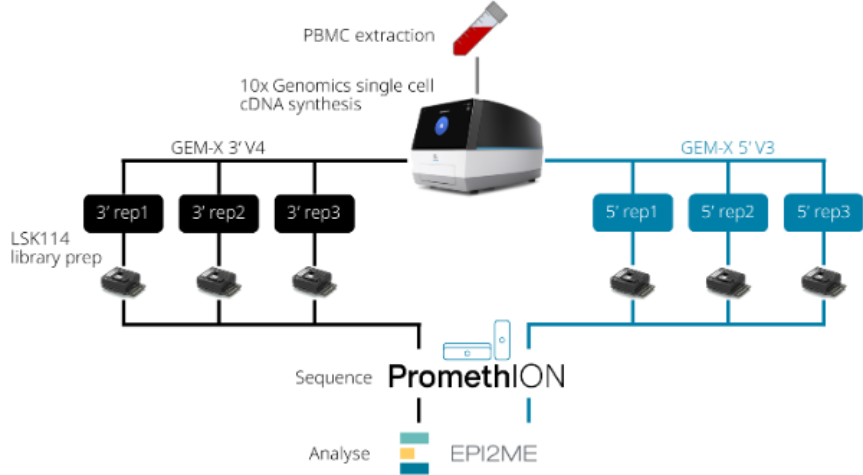
Figure 4: Experimental design. PBMCs were isolated from human whole blood and processed using the 10x Chromium Controller iX in triplicate with either GEM-X Universal 3’ (V4) or 5’ (V3) gene expression assay. Following cDNA synthesis, libraries were prepared in replicate for sequencing following the Ligation Sequencing Kit (SQK-LSK114) protocol and sequenced on PromethION Flow Cells.
Of the 132 million raw reads on average obtained per run, approximately 87% and 79% of reads were identified as full-length (i.e. contained 10x adapters at read ends in the expected configuration) by wf-single-cell in 10x 3’ and 5’ based libraries respectively (Figure 5a). An average of 75% and 62% of total reads were further assigned to cells (Figure 5b), resulting in 90 million cell-assigned unique reads per library on average. The libraries had an average read length of 1.17 kb for 3’ libraries and 1.21 kb for 5’ libraries (Figure 6).
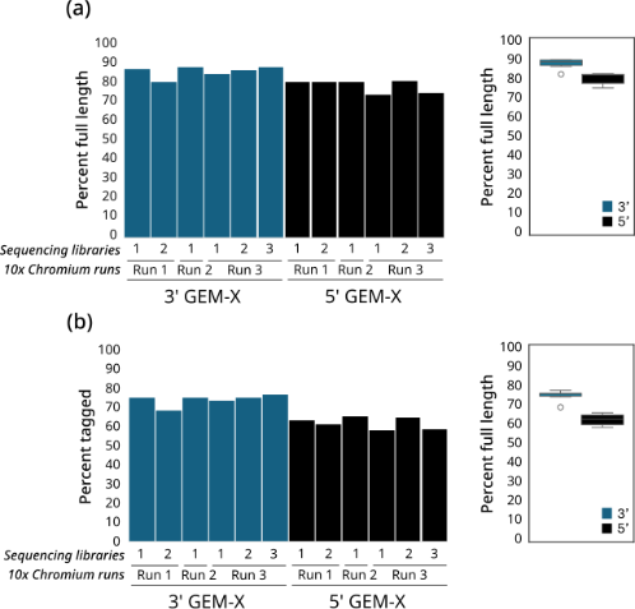
Figure 5: Read output from wf-single-cell for replicate libraries generated from GEM-X Universal 5’ and 3’ gene expression assays on PBMCs. (a) Full-length reads i.e. reads with correct adapter configuration. (b) Tagged reads i.e. full-length reads with a cell barcode.
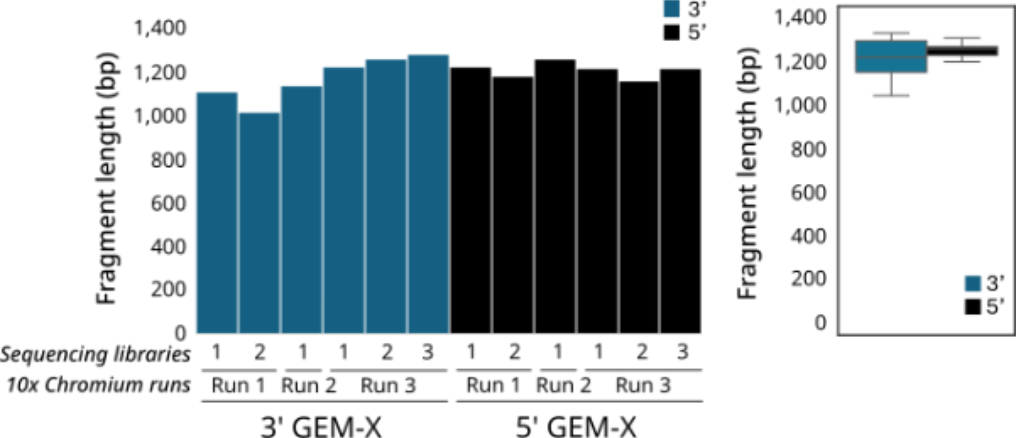
Figure 6: Fragment lengths for replicate libraries generated from GEM-X Universal 5’ and 3’ gene expression assays on PBMC cDNA.
IGV visualisation of the mapped data (output by wf-single-cell) shows full transcript length reads, clean delineation of exon/intron boundaries, and similar coverage profiles for libraries based on GEM-X 5’ and 3’ gene expression assays (Figure 7).
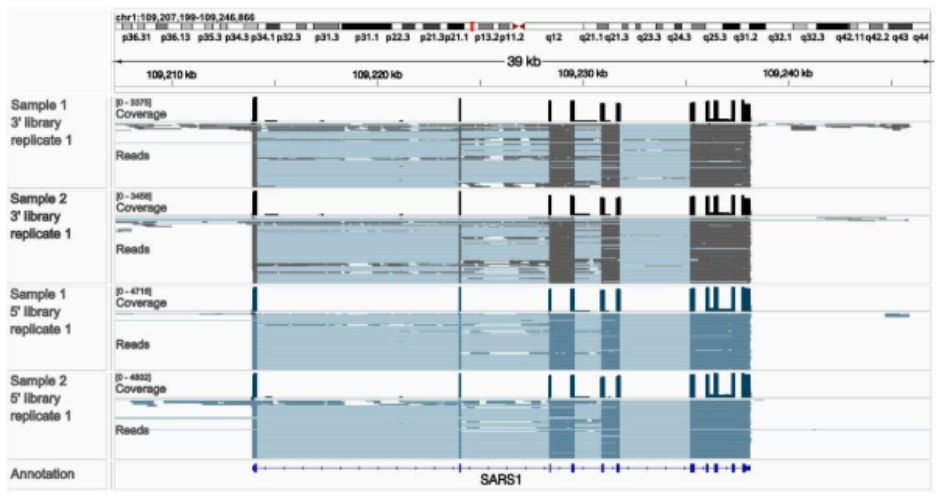
Figure 7: Coverage from transcript 5’ to 3’ in single reads. An IGV snapshot showing reads from two replicates of 5’ (dark blue) and 3’ (dark grey) GEM-X libraries derived from PBMCs covering the SARS1 gene.
Cell capture and count correlations
Replicate sequencing libraries prepared from the same 10x cDNA amplicons showed a very high cell barcode overlap (Figure 8), indicating high reproducibility in cell capture from 10 ng input.
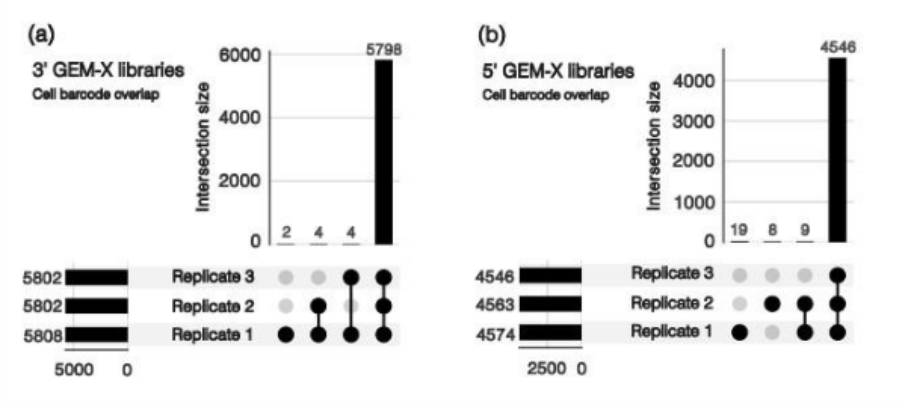
Figure 8: Cell barcode overlap between Oxford Nanopore sequencing library replicates prepared from the same amplicons generated using 10x Genomics Chromium GEM-X 3’ (a) and 5’ (b) assays generated from PBMCs.
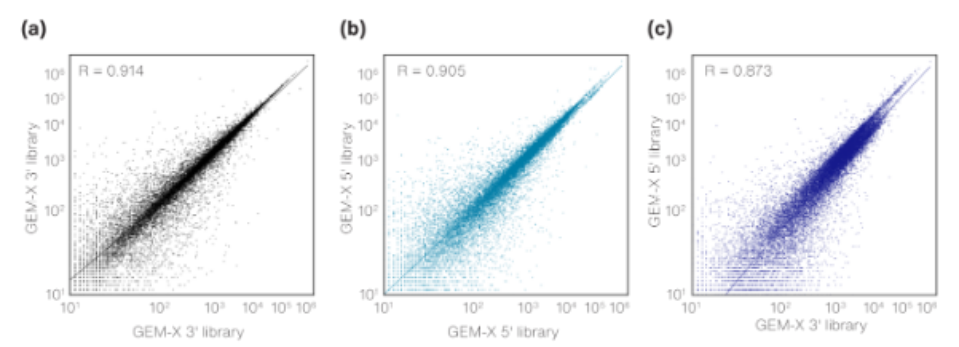
Figure 9: Pseudo-bulk gene count correlations for replicate libraries based on 10x Genomics GEM-X 5’ and 3’ Gene Expression assays on PBMCs. (a) 3’ library replicate comparison (b) 5’ library replicate comparison (c) 3’ and 5’ library comparison.
There was a strong correlation in overall gene count levels within sequencing library replicates (average pearson's r of 0.92 for 3’ and 0.97 for 5’ chemistry, respectively) (Figure 9, left and middle graphs) and between different cells from the same sample prepared with different GEM-X assays (average pearson r of 0.89) (Figure 9, right graph). Counts obtained from sequencing library replicates prepared from the same input cDNA had median count correlations ranging from 0.83 to 0.9 in 5’ libraries and 0.8 to 0.86 in 3’ libraries (Figure 10).
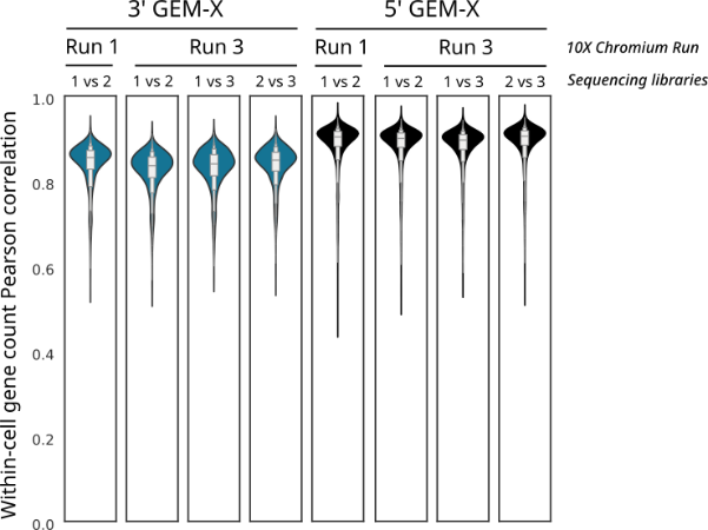
Figure 10: Normalized gene count correlation within matched cells for Oxford Nanopore library preparation replicates generated from three GEM-X 5’ runs and three GEM-X 3’ runs performed on PBMCs.
Comparing long Oxford Nanopore reads and short Illumina reads
To demonstrate how Oxford Nanopore long read libraries perform compared to an available short-read sequencing alternative on another platform, replicate samples of Jurkat and HEK293T cells were processed using 10x Genomic Chromium GEM-X Universal 5’ and 3’ gene expression assays, respectively, aiming for approximately 1,500 cells (Figure 11). The cDNA amplicons were then prepared following the Ligation Sequencing Kit (SQK-LSK114) protocol in duplicate (10 ng input each) and each library was sequenced on a single PromethION Flow Cell, generating an average of 131M raw reads per flow cell with an average length of 1 kb. An average of 58% (293T) and 61% (Jurkat) of total reads were further assigned to unique cells, resulting in 77M cell-assigned unique reads per library on average. The same amplicons were also sent for Illumina sequencing. The Oxford Nanopore data was basecalled using Dorado and HAC (v5.0.0) models and analysed using wf-single-cell (v 2.4.1). Illumina libraries were prepared using 25% of the total cDNA yield of 10x genomics cDNA synthesis. The Illumina data was analysed using 10x Genomics Cell Ranger (v9.0.0).
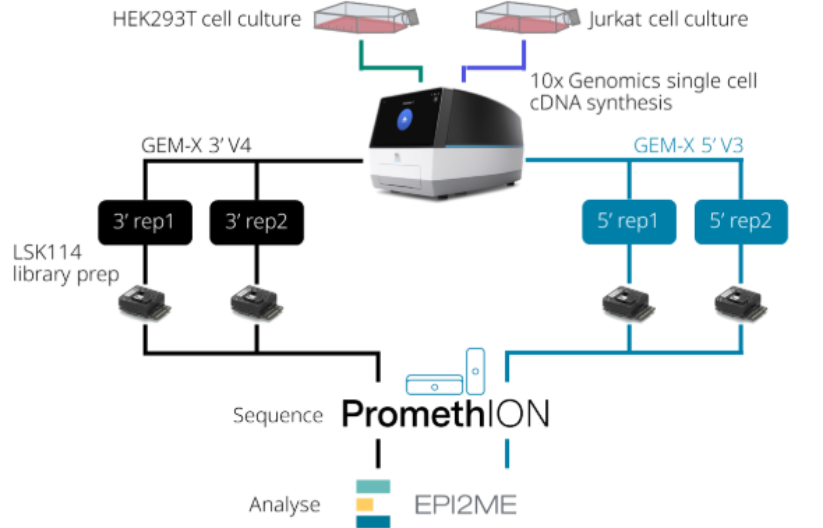
Figure 11: Experimental design. 10x 3’ (HEK293T) and GEM-X 5’ (Jurkat).
Cell assignment and gene expression quantification
86% of all cells identified in HEK293T samples and 93-95% of all cells identified in Jurkat samples were shared between the platforms (Figure 12b), indicating good concordance in cell capture and assignment between the methods.
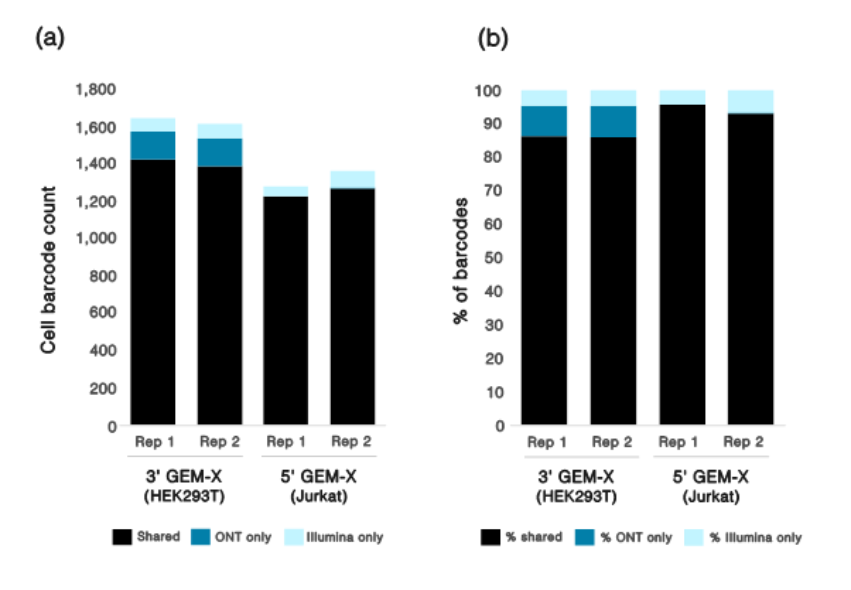
Figure 12: Cell barcode overlap between Oxford Nanopore and Illumina libraries made from the same 10x 3’ (HEK293T) and GEM-X 5’ (Jurkat) runs as (a) counts and (b) percentage.
Overall counts per cell between Oxford Nanopore and Illumina for libraries prepared from the same 10x amplicons were very highly correlated (≥0.99 pearson, Figure 13) as were the overall gene expression values (approximately 0.95 pearson, Figure 14). Median gene count correlations within matched cells were 0.83 for GEM-X 3’ (HEK293T) and 0.81 for GEM-X 5’ (Jurkat) libraries (Figure 15), similar to library replicates prepared and sequenced within the same platform (Figure 16). These results show that the two platforms quantify transcript abundance in a similar and reproducible fashion even to a single cell level.
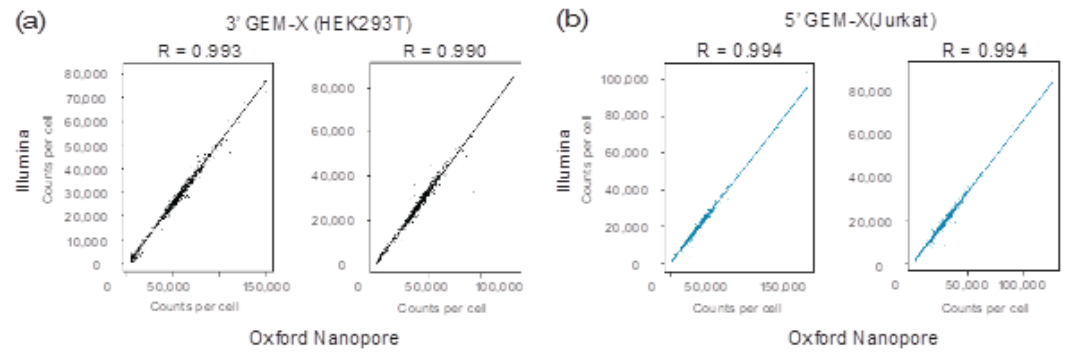
Figure 13: Cell count correlation between technologies for libraries prepared from the same 10x Genomics Chromium amplicons for GEM-X Universal (a) 3’ gene expression (HEK293T) libraries and (b) 5’ gene expression (Jurkat) libraries.
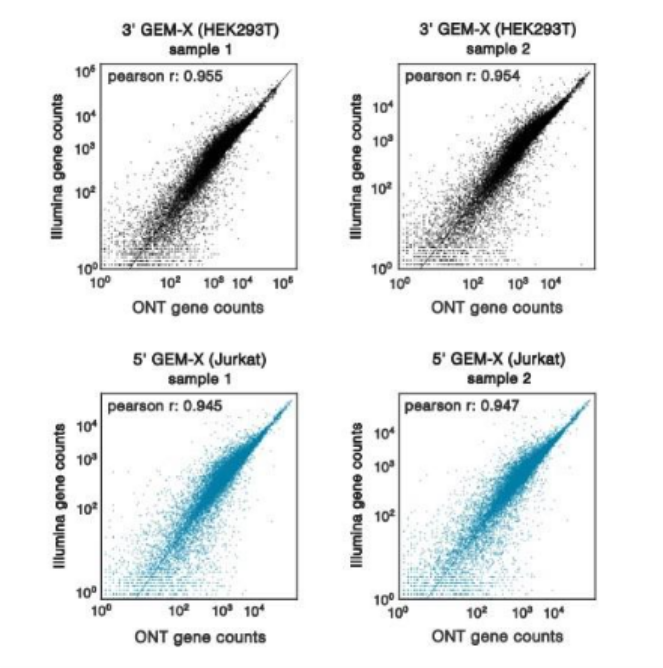
Figure 14: Pseudo-bulk gene count correlations between Oxford Nanopore and Illumina libraries based on 10x Genomics Chromium GEM-X Universal 3’ (HEK293T, black) or 5’ (Jurkat, blue) runs.
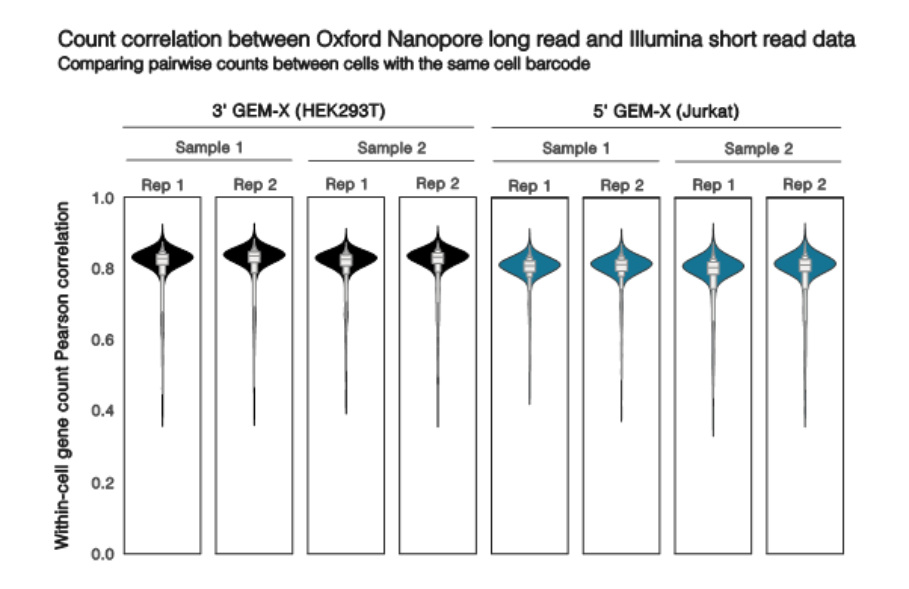
Figure 15: Normalized gene count correlations within matched cells for Oxford Nanopore and Illumina libraries made from the same 10x Genomics Chromium GEM-X 3’ (HEK293T) and 5’ (Jurkat) runs.
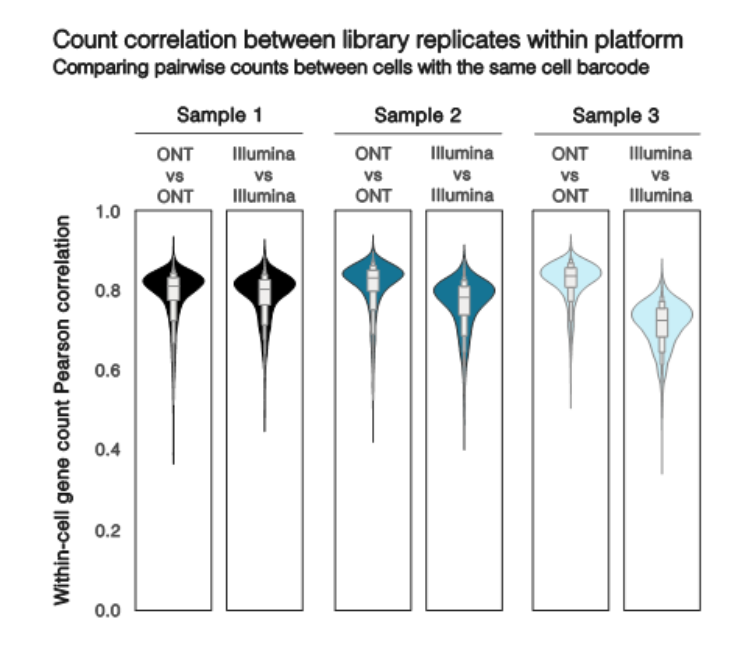
Figure 16: Normalized gene count correlation within matched cells comparing library replicates within platform (Oxford Nanopore or Illumina). Libraries were generated from the same 10x Genomics Chromium GEM-X 3’ PBMC runs.
Long reads enable transcript isoform level analysis
A benefit of long cDNA reads is the ability to better identify expression of transcript isoforms of the same gene. Transcript isoforms can drive different, sometimes even opposing, functions in cells (Mitschka and Mayr 2022; Rogalska et al. 2023; Alfonso-Gonzalez and Hilgers 2024). Isoform-level resolution in single cell experiments can therefore add an important layer of biological information (Shiau et al. 2023; Peng et al. 2025) and further help cell type assignment and clustering (Beaulaurier et al. 2025). A recent paper that used the 10x Genomics Chromium platform coupled with Oxford Nanopore sequencing to study B cell sub-populations in response to an immune challenge uncovered isoform expression differences between the sub-populations in >1700 transcripts, including the apoptosis regulator BCL2 (Beaulaurier et al. 2025). The long reads also enabled unambiguous assignment antibody isotypes and subtype in these sub-populations.
Figure 17 and Supplementary Figure 1 show examples of preferential transcript isoforms usage in different UMAP cell clusters in our 3' GEM-X (HEK293T) dataset, revealing use of alternative end and internal exons. In addition to resolving and counting transcript isoforms (Figure 18a), long reads can help detect and assign unannotated isoforms (Figure 18b) and resolve complex genomic loci where gene annotations overlap (Figure 18c).
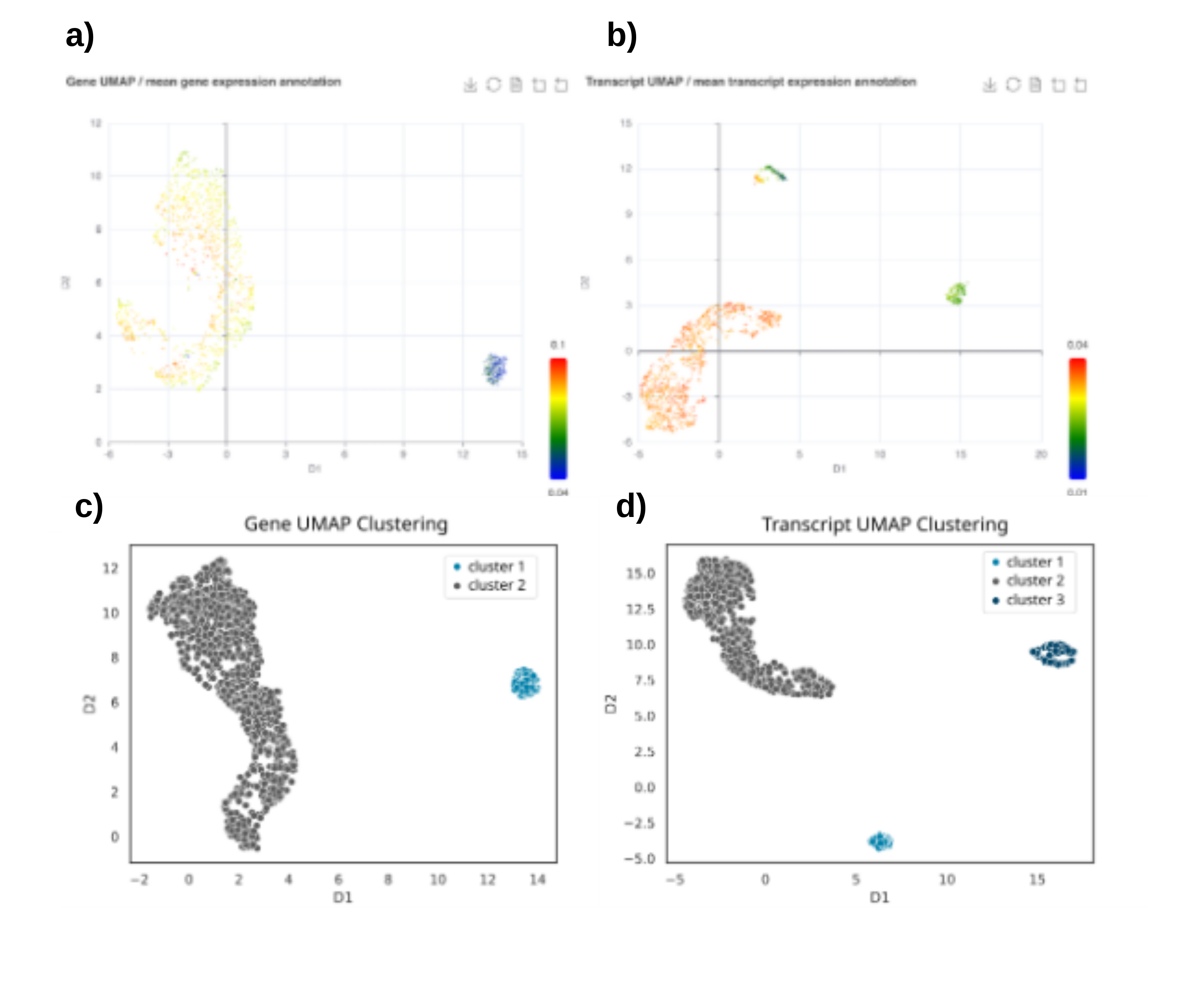
Figure 17: Unique benefits of long reads. Clustering by (a) gene counts (b) transcript counts (c) gene counts UMAP colored by k-means clustering (d) transcript counts UMAP colored by k-means clustering.
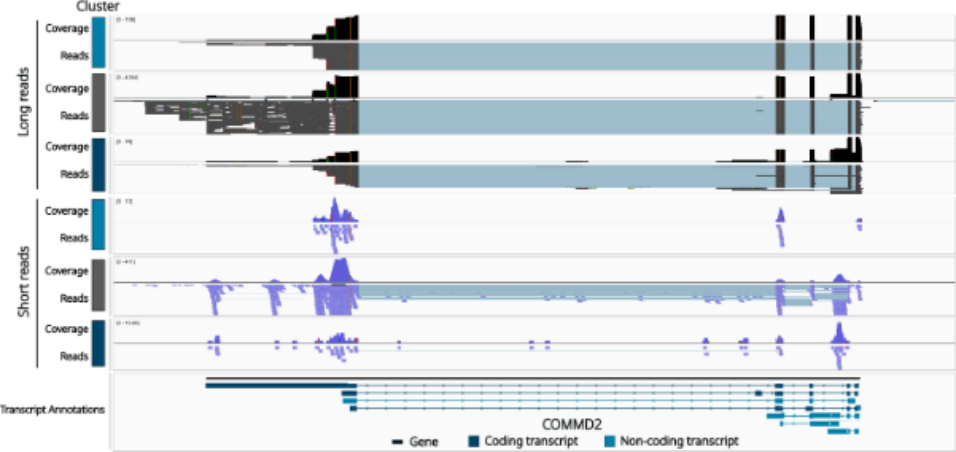
Figure 18: IGV snapshot showing reads from Oxford Nanopore and Illumina libraries (generated from GEM-X 3’ gene expression assay on HEK293T) over gene COMMD2 (14,017 bp) shows enrichment of non-coding transcripts in cluster 3, only visible with long reads. Clusters as seen in Figure 17b.
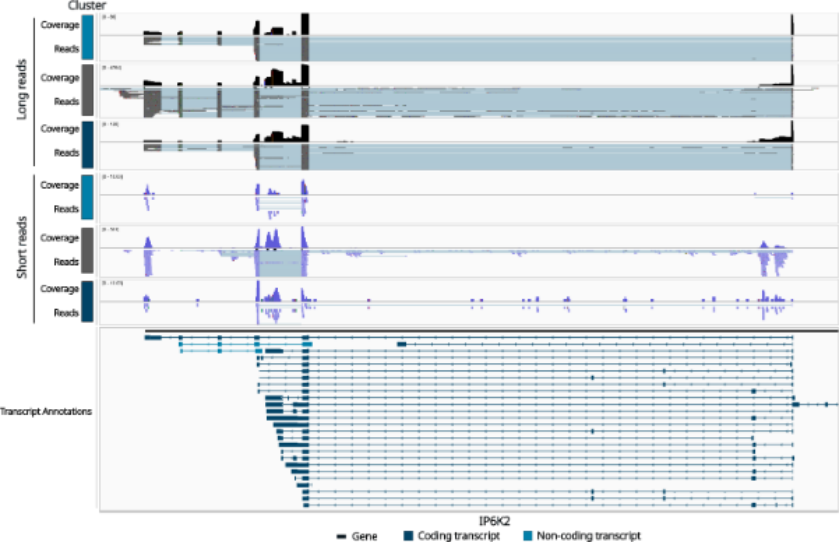
Figure 19: IGV snapshot showing reads from Oxford Nanopore and Illumina libraries (generated from GEM-X 3’ gene expression assay on HEK293T) over gene IP6K2 (29,218 bp). Usage of different transcript isoforms in different transcript clusters is evident in the long read data. Clusters as seen in Figure 17b.
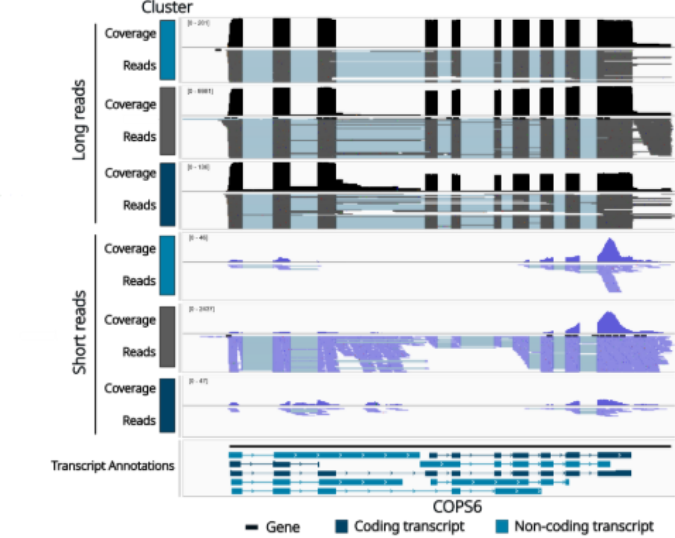
Figure 20: IGV snapshot showing reads from Oxford Nanopore and Illumina libraries (generated from GEM-X 3’ gene expression assay on HEK293T) over gene COPS6 (3218 bp) shows enrichment of non-coding transcripts in cluster 3, only visible with long reads. Clusters as seen in Figure 17b.
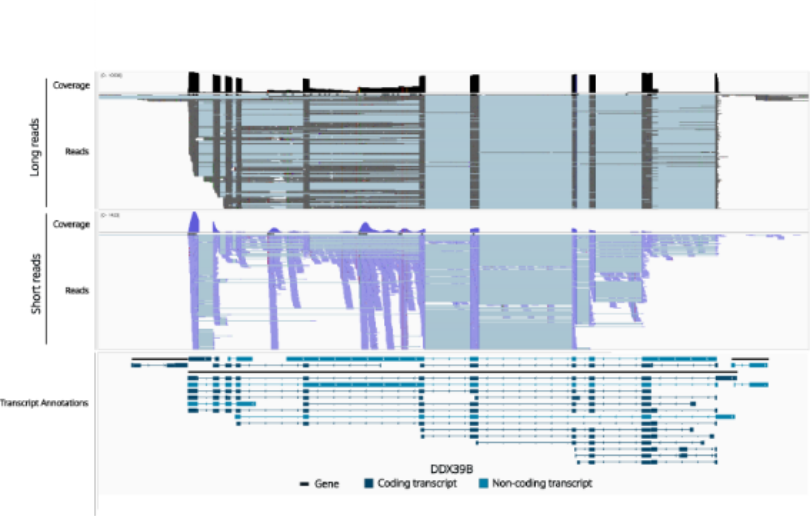
Figure 21: IGV snapshot showing reads from Oxford Nanopore and Illumina libraries (generated from GEM-X 3’ gene expression assay on PBMCs) over gene DDX39B (11,777 bp) shows usage of different transcript isoforms evident in the long read data.
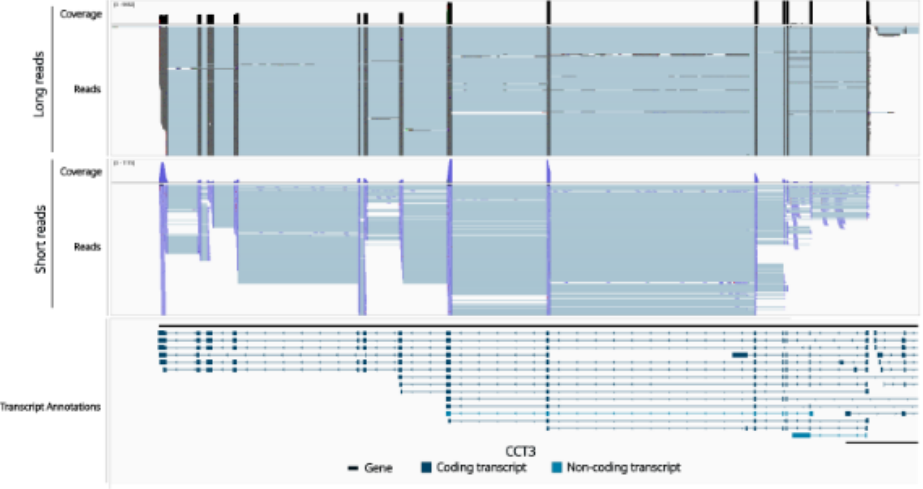
Figure 22: IGV snapshot showing reads from Oxford Nanopore and Illumina libraries (generated from GEM-X 3’ gene expression assay on PBMCs) over gene CCT3 (29,324 bp) shows enrichment of shortened transcripts only evident in the long-read data. Data based on visual inspection, de novo transcript prediction was not performed.
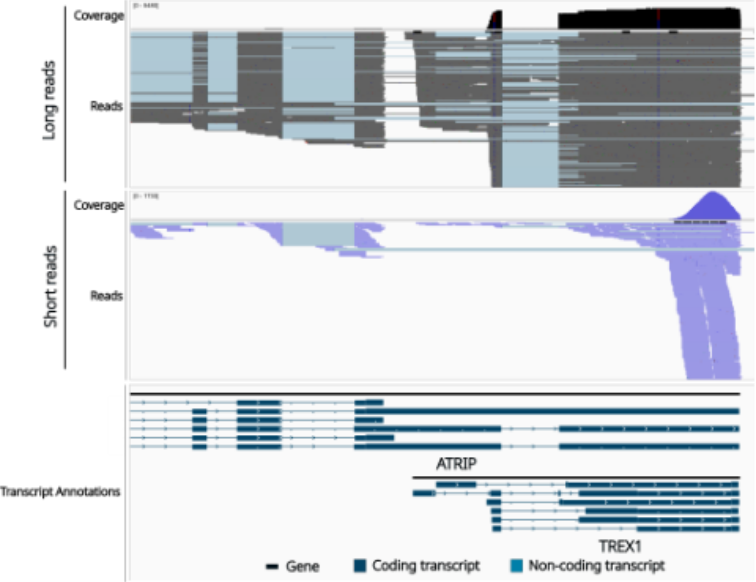
Figure 23: IGV snapshot showing reads from Oxford Nanopore and Illumina libraries (generated from GEM-X 3’ gene expression assay on PBMCs) over gene TREX1 (1,815 bp) shows ambiguous read mapping between overlapping genes TREX1 and ATRIP in short reads, whereas mapping is discernibly belonging to TREX1 transcripts in long-reads.
Technical considerations for sequencing library preparation and analysis
Library requirements
The Ligation Sequencing Kit (SQK-LSK114) library preparation requires 10 ng GEM-X cDNA amplicons as input per PromethION Flow Cell to be run. The examples above demonstrate that this captures the complexity of the transcriptome being sampled, with good correlation between replicates and orthogonal sequencing technologies. Users should follow the guidelines provided by 10x Genomics for GEM-X cDNA synthesis, sample viability, and input cell count.
There is no need to proceed from the 10x cDNA amplification to fragmentation, the cDNA amplicons can be sequenced with the Ligation Sequencing Kit (SQK-LSK114) library preparation as full length transcripts.
Choice of basecalling model
Dorado basecalling models come in three different flavours – FAST, HAC (high accuracy), and SUP (super accuracy). The HAC model is recommended for single cell applications, offering the best balance between basecalling speed and accuracy. wf-single-cell detects virtually identical cell barcodes and counts within cells whether data was basecalled with HAC or SUP (Figures 24 and 25).
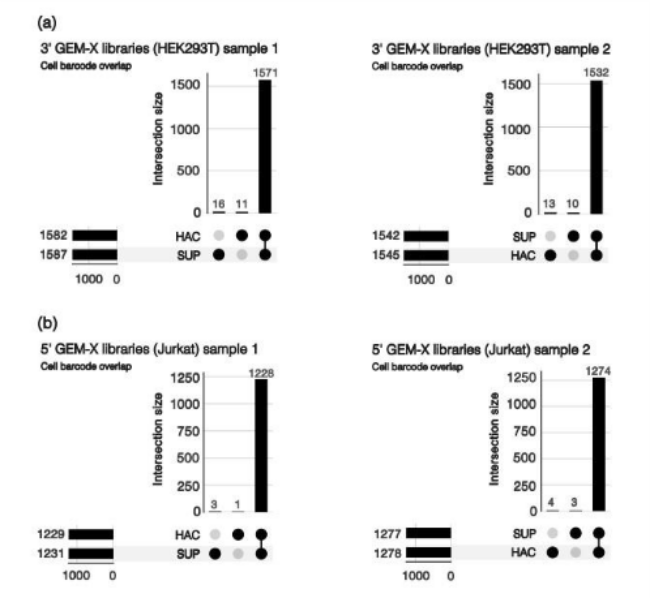
Figure 24: Cell barcode overlap for Oxford Nanopore data. Data generated from two 10x Genomics Chromium GEM-X Universal (a) 3’ (HEK293T) and (b) 5’ (Jurkat) gene expression assay runs basecalled with high accuracy (HAC) and super accuracy (SUP) v5.0.0 models. Basecalling model choice has little impact on cell barcodes detected.
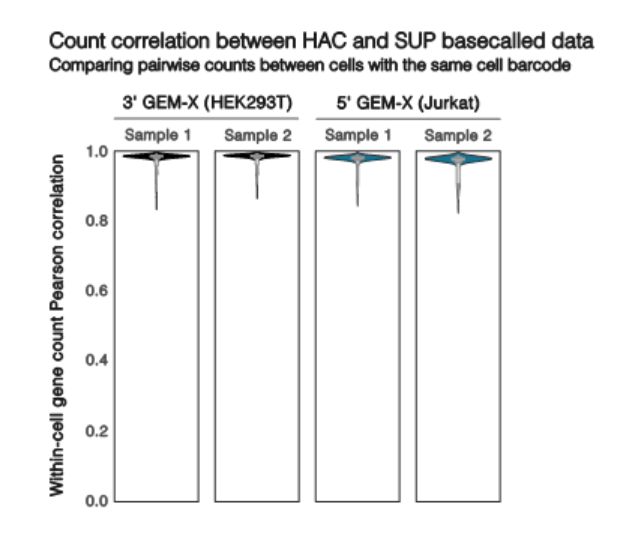
Figure 25: Normalized gene count correlation within matched cells. Comparing Oxford Nanopore data from 10x Genomics Chromium Universal GEM-X 3’ (HEK293T) and 5’ (Jurkat) assay runs basecalled with high accuracy (HAC) and super accuracy (SUP) v5.0.0 basecalling models. Basecalling model choice has virtually no impact on the observed counts.
Compute requirements for downstream analysis
We recorded the CPU time and peak RAM used by wf-single-cell to analyse the 16 flow cells worth of PBMC data described above. The number of CPU hours required increases linearly with number of input reads (Figure 26a). Memory usage peaked at 24.4 GB (Figure 26b). Including additional options, such as variant calling, in the analysis will increase workflow run time.
We recommend running wf-single-cell on a compute cluster. Cloud options are also available via EPI2ME cloud.
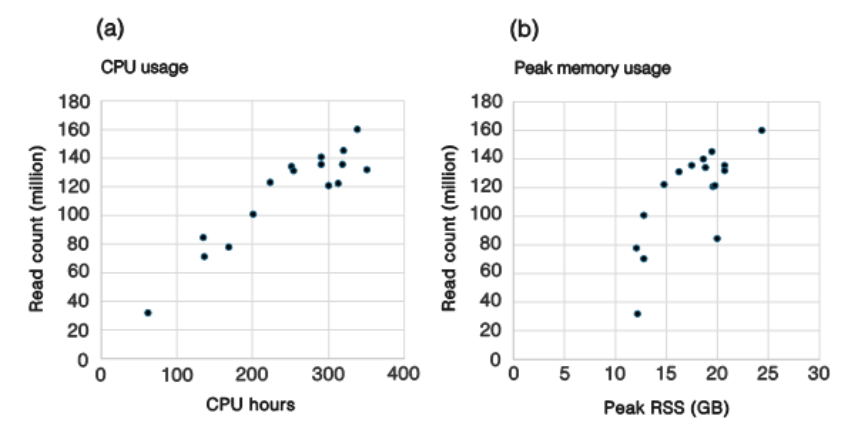
Figure 26: wf-single-cell resource requirements for data generated from 16 individual sequencing libraries from the PBMC experiment described above. (a) CPU hours per input reads. (b) Peak resident set size (RSS) per input reads.
References
Alfonso-Gonzalez C, Hilgers V. (Alternative) transcription start sites as regulators of RNA processing. Trends Cell Biol. 2024 Dec;34(12):1018-1028. doi: 10.1016/j.tcb.2024.02.010. Epub 2024 Mar 25. PMID: 38531762.
Beaulaurier J, Ly L, Duty JA, Tyer C, Stevens C, Hung CT, Sookdeo A, Drong AW, Kowdle S, Guzman-Solis A, Tortorella D, Turner DJ, Juul S, Hickey S, Lee B. De novo antibody identification in human blood from full-length single B cell transcriptomics and matching haplotype-resolved germline assemblies. Genome Res. 2025 Apr 14;35(4):929-941. doi: 10.1101/gr.279392.124. PMID: 40118521; PMCID: PMC12047243.
Mitschka S, Mayr C. Context-specific regulation and function of mRNA alternative polyadenylation. Nat Rev Mol Cell Biol. 2022 Dec;23(12):779-796. doi: 10.1038/s41580-022-00507-5. Epub 2022 Jul 7. PMID: 35798852; PMCID: PMC9261900.
Peng H, Jabbari JS, Tian L, Wang C, You Y, Chua CC, Anstee NS, Amin N, Wei AH, Davidson NM, Roberts AW, Huang DCS, Ritchie ME, Thijssen R. Single-cell Rapid Capture Hybridization sequencing reliably detects isoform usage and coding mutations in targeted genes. Genome Res. 2025 Apr 14;35(4):942-955. doi: 10.1101/gr.279322.124. PMID: 39794120; PMCID: PMC12047256.
Rogalska ME, Vivori C, Valcárcel J. Regulation of pre-mRNA splicing: roles in physiology and disease, and therapeutic prospects. Nat Rev Genet. 2023 Apr;24(4):251-269. doi: 10.1038/s41576-022-00556-8. Epub 2022 Dec 16. PMID: 36526860.
Shiau CK, Lu L, Kieser R, Fukumura K, Pan T, Lin HY, Yang J, Tong EL, Lee G, Yan Y, Huse JT, Gao R. High throughput single cell long-read sequencing analyses of same-cell genotypes and phenotypes in human tumors. Nat Commun. 2023 Jul 11;14(1):4124. doi: 10.1038/s41467-023-39813-7. PMID: 37433798; PMCID: PMC10336110.
Change log
| Date | Version | Changes made |
|---|---|---|
| November 2026 | V1 | Document release |