Flow cells
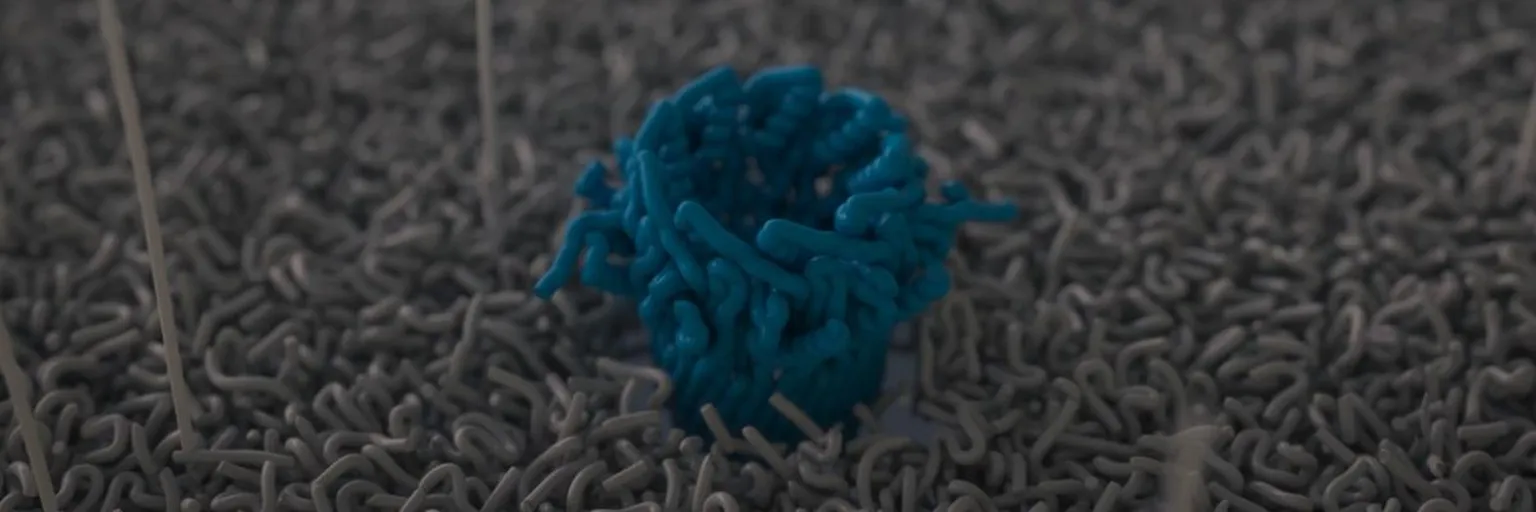
Flow cells are at the heart of our platform, containing the nanopores and sensing technology used to sequence DNA or RNA.
Here, you can learn what’s inside a flow cell and how different types let you scale sequencing to your needs.
Our sequencing devices use one of two flow cell types, each offering different sequencing capacities.
- MinION Flow Cells: compatible with the portable MinION and benchtop GridION devices and ideal for applications such as microbial genomics and targeted sequencing
- PromethION Flow Cells: compatible with our PromethION devices and ideal for high-output sequencing applications such as human genomics
Dedicated versions of both flow cell types are available for DNA and direct RNA sequencing. Our GridION and PromethION devices can run multiple flow cells independently, so you can add more without interrupting existing runs.
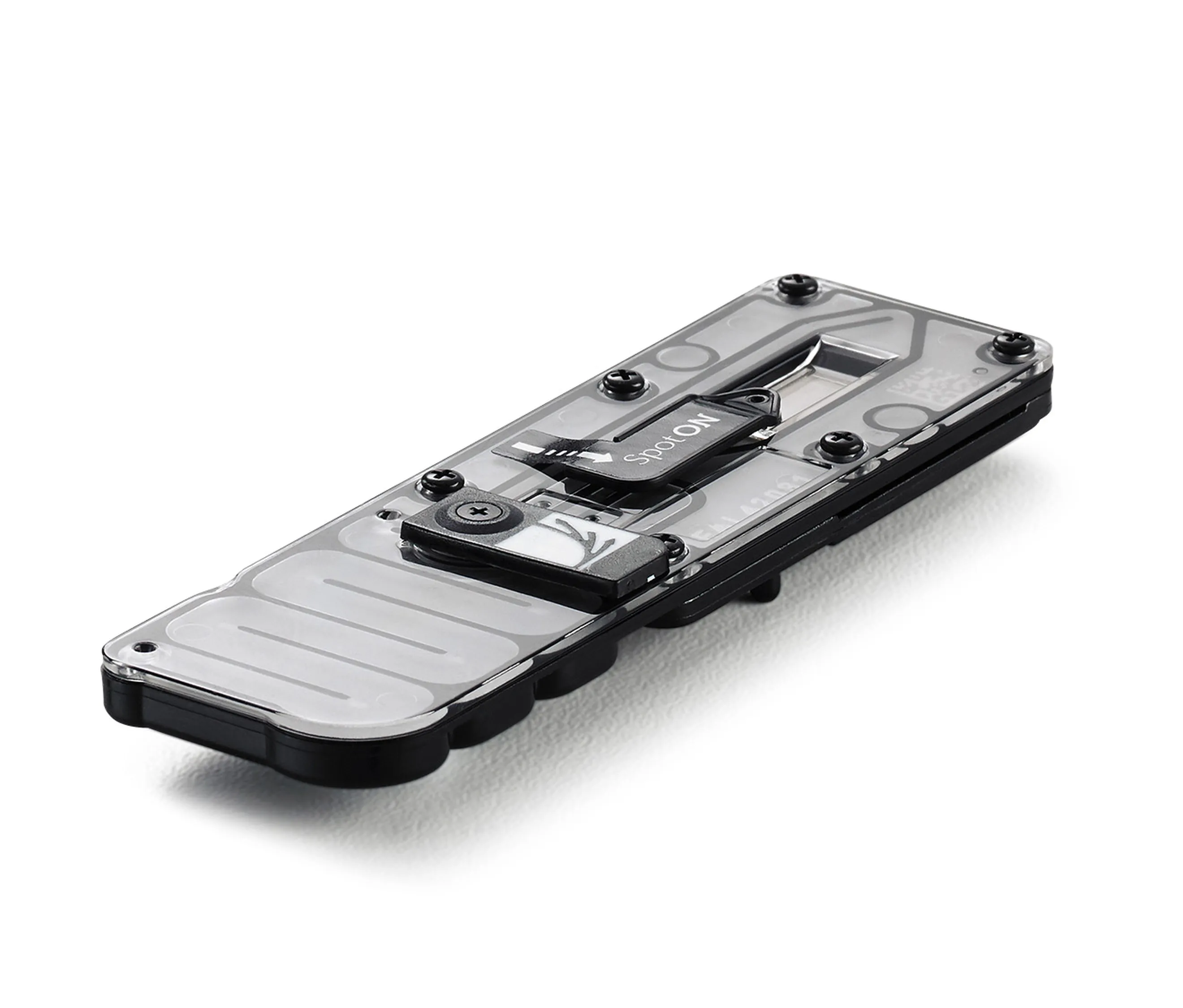
MinION Flow Cell
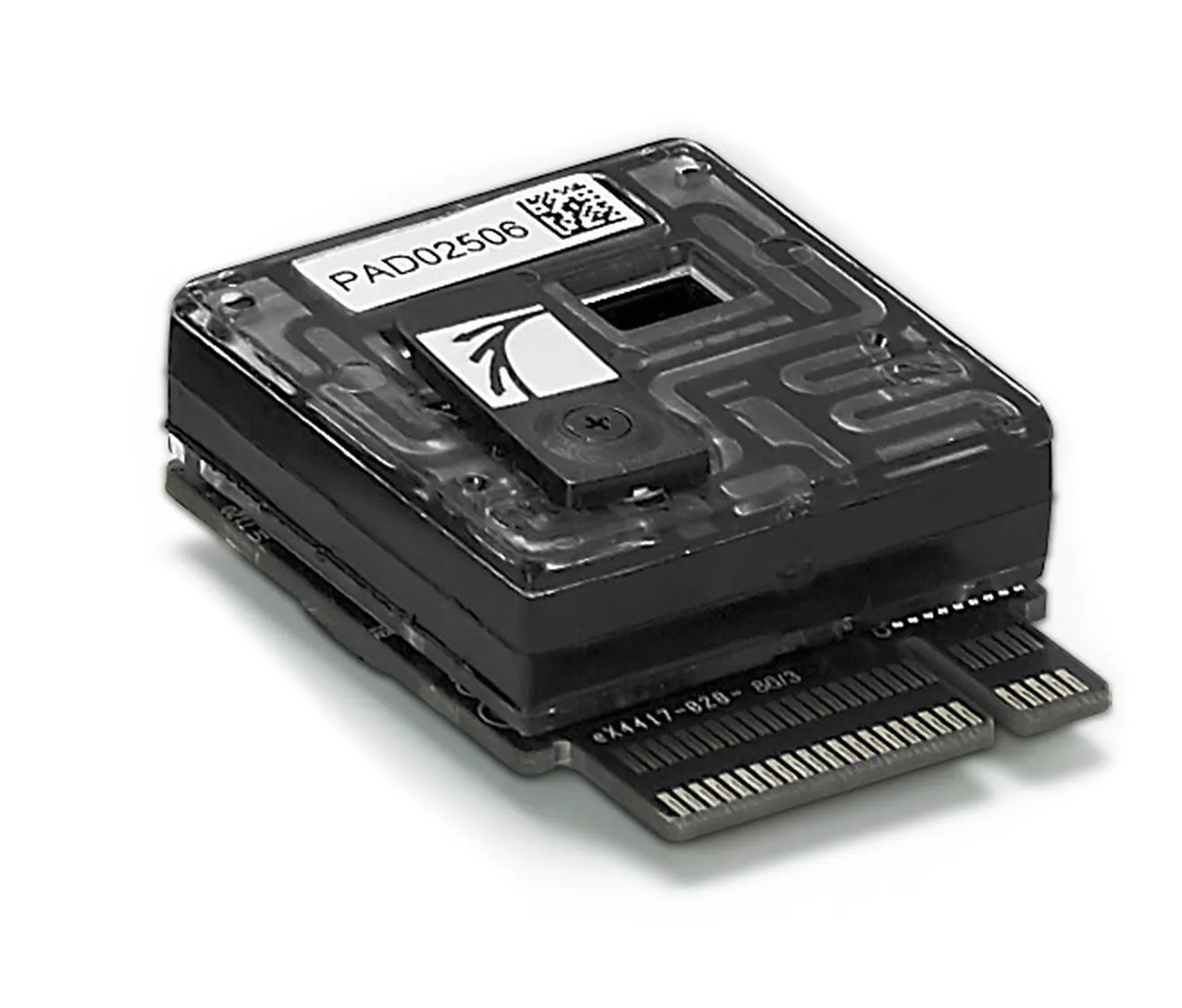
PromethION Flow Cell
What's inside a flow cell
Central to each flow cell is a sensing system comprising a sensor array and a bespoke application-specific integrated circuit (ASIC). Together, these components detect and measure changes in electrical current as DNA or RNA molecules pass through the nanopores.
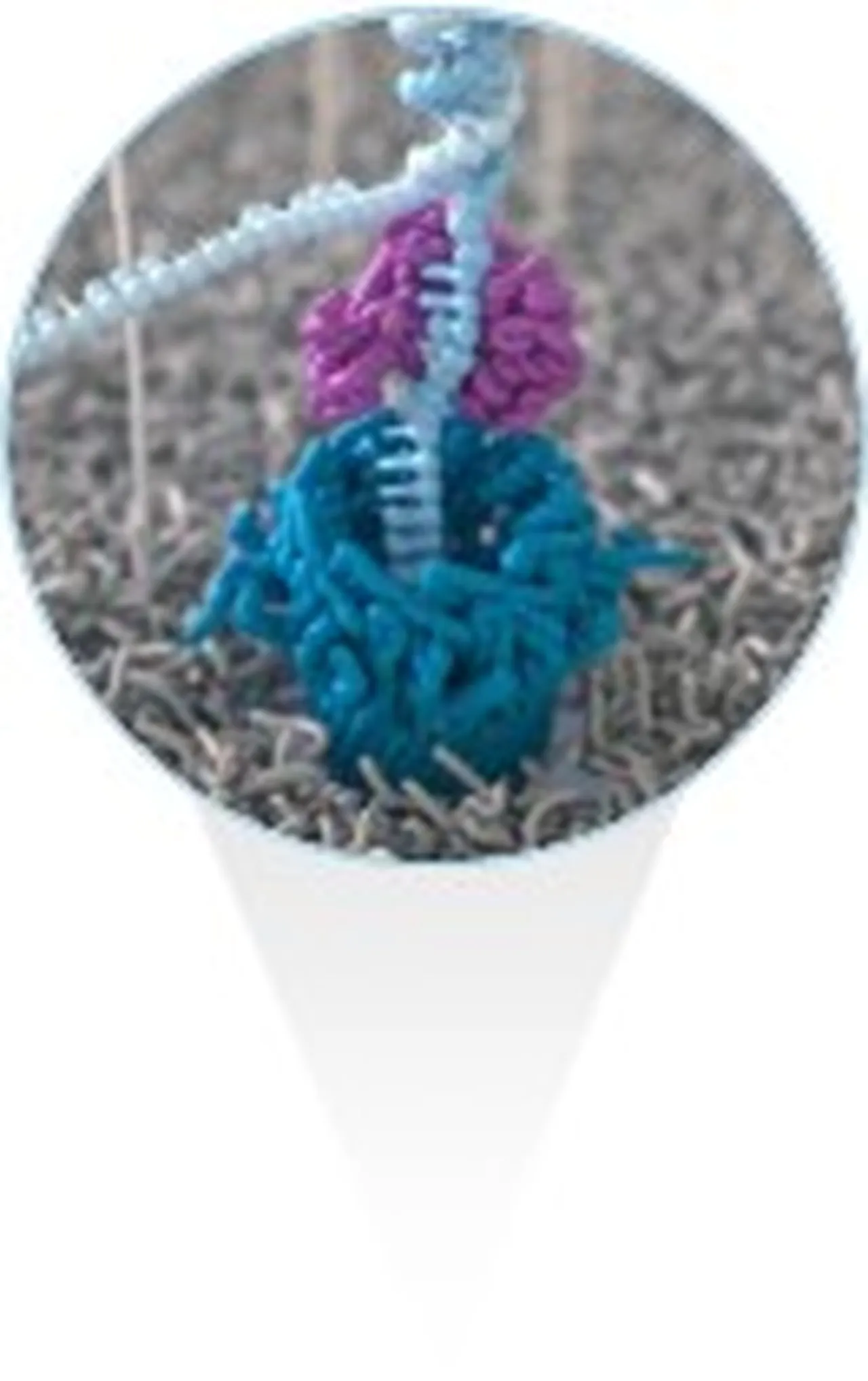
Nanopore
A protein nanopore is embedded in an electrically resistant polymer membrane. Learn more about nanopores.
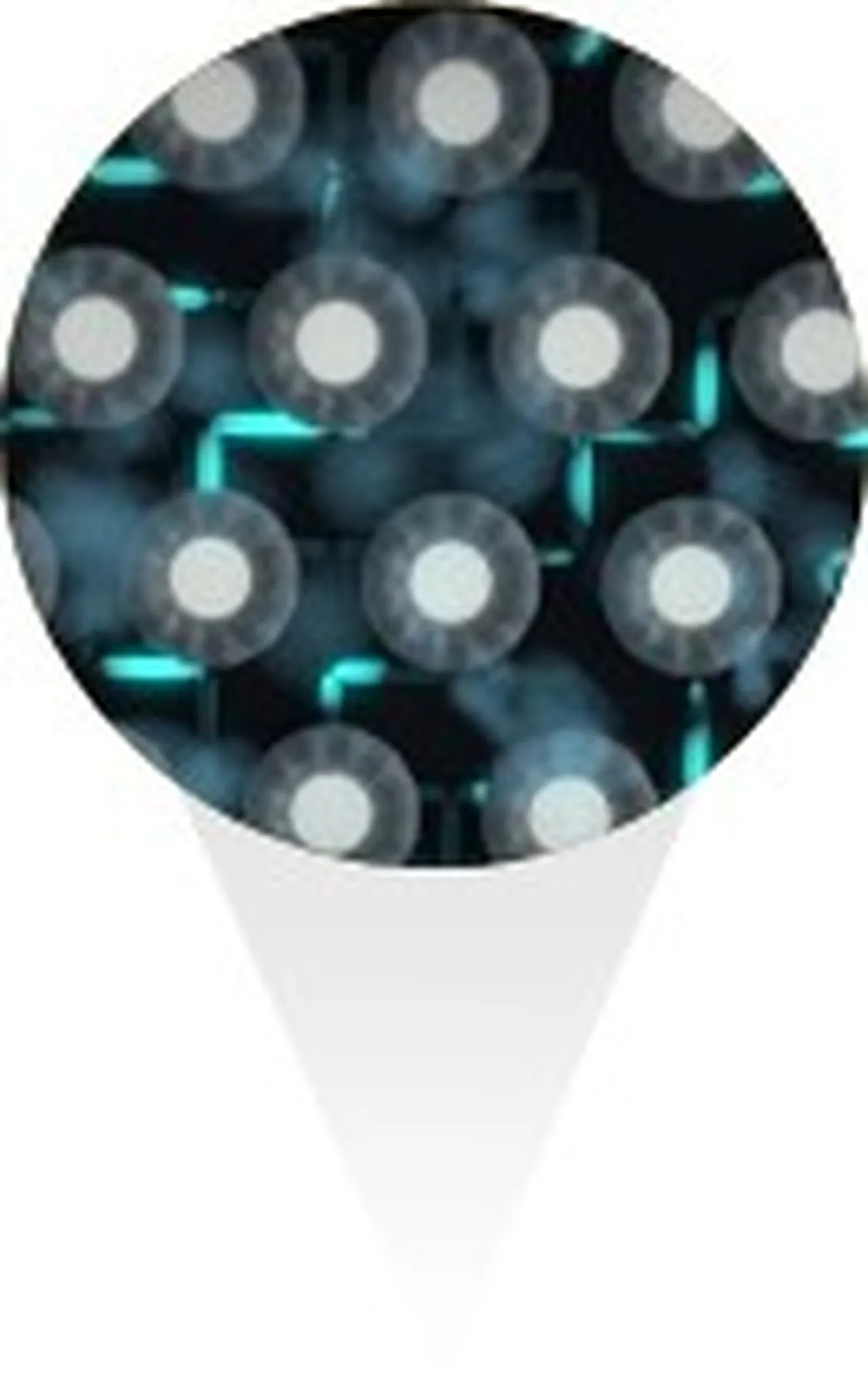
Sensor well and array
Each embedded nanopore sits within a sensor well. Thousands of these wells are arranged together to form a sensor array that helps keep the nanopores stable during shipping and use.
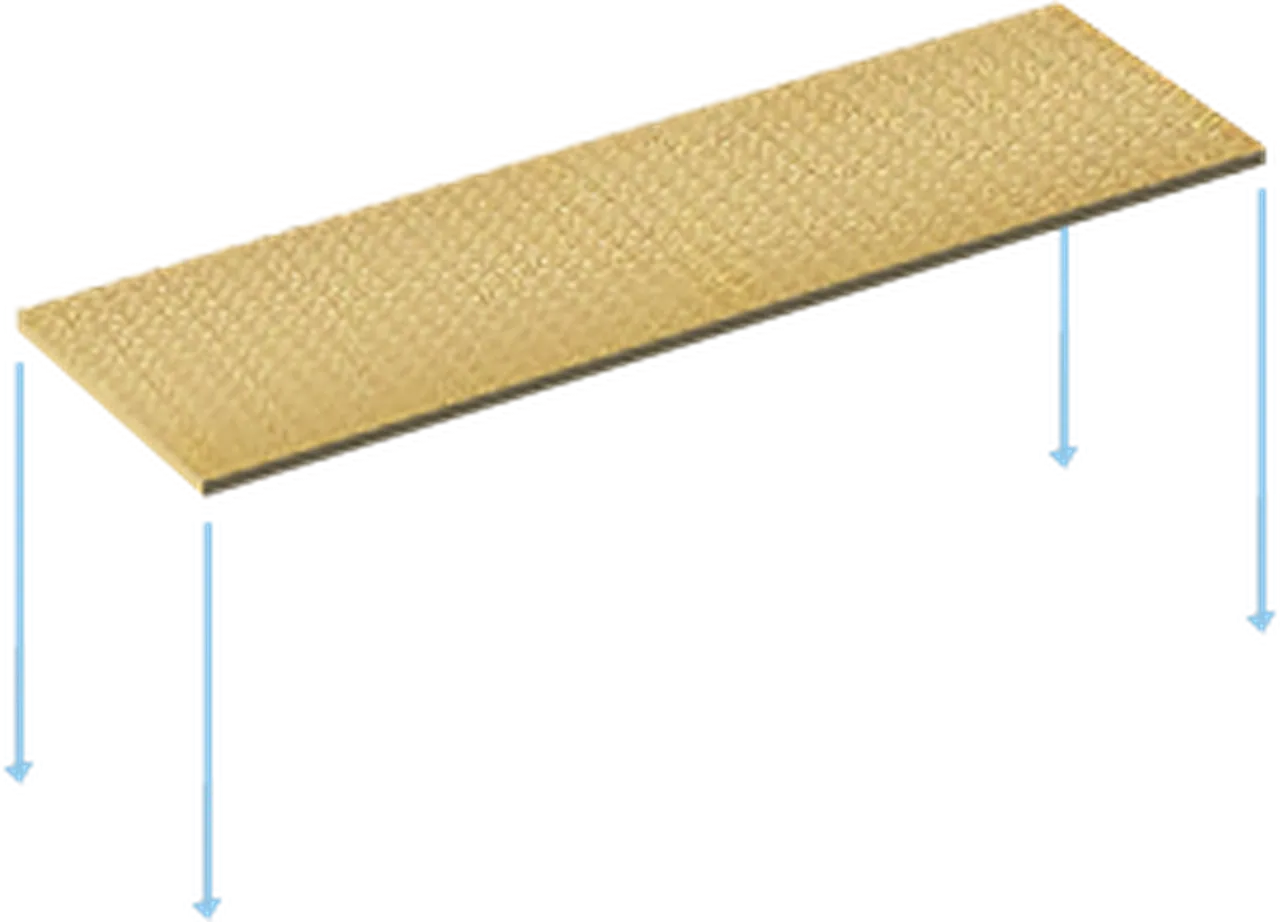
Sensor chip
Each sensor well has an electrode beneath the membrane. Groups of four sensor wells are associated with each measurement channel and scanned periodically during sequencing, allowing the best-performing nanopore in each group to be selected.
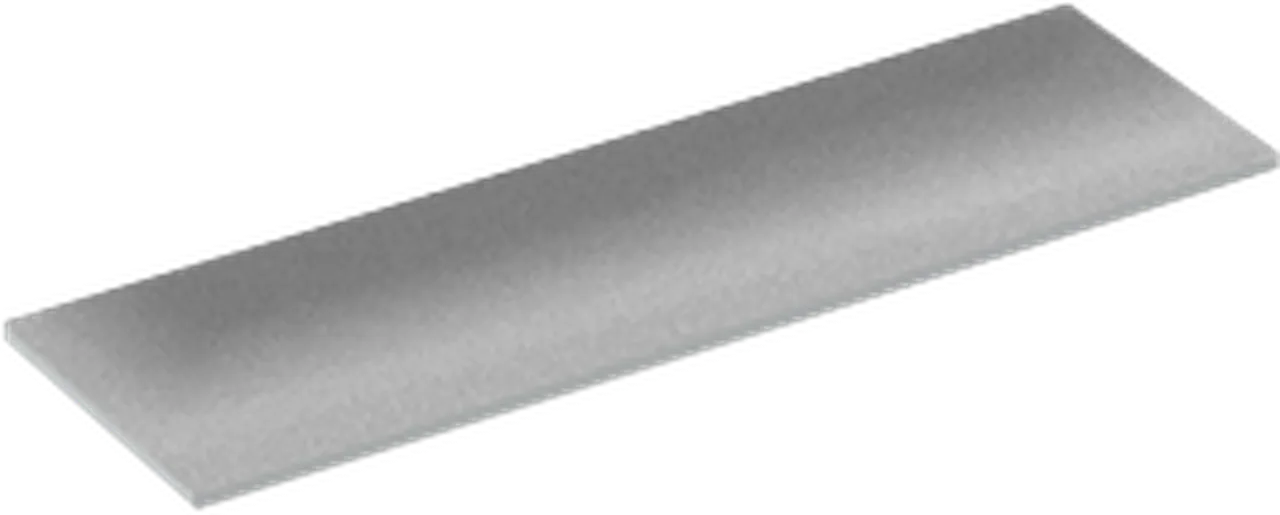
ASIC
A bespoke ASIC controls the sensor array and measures the electrical signals from the selected nanopores in each channel.
Get more from every flow cell
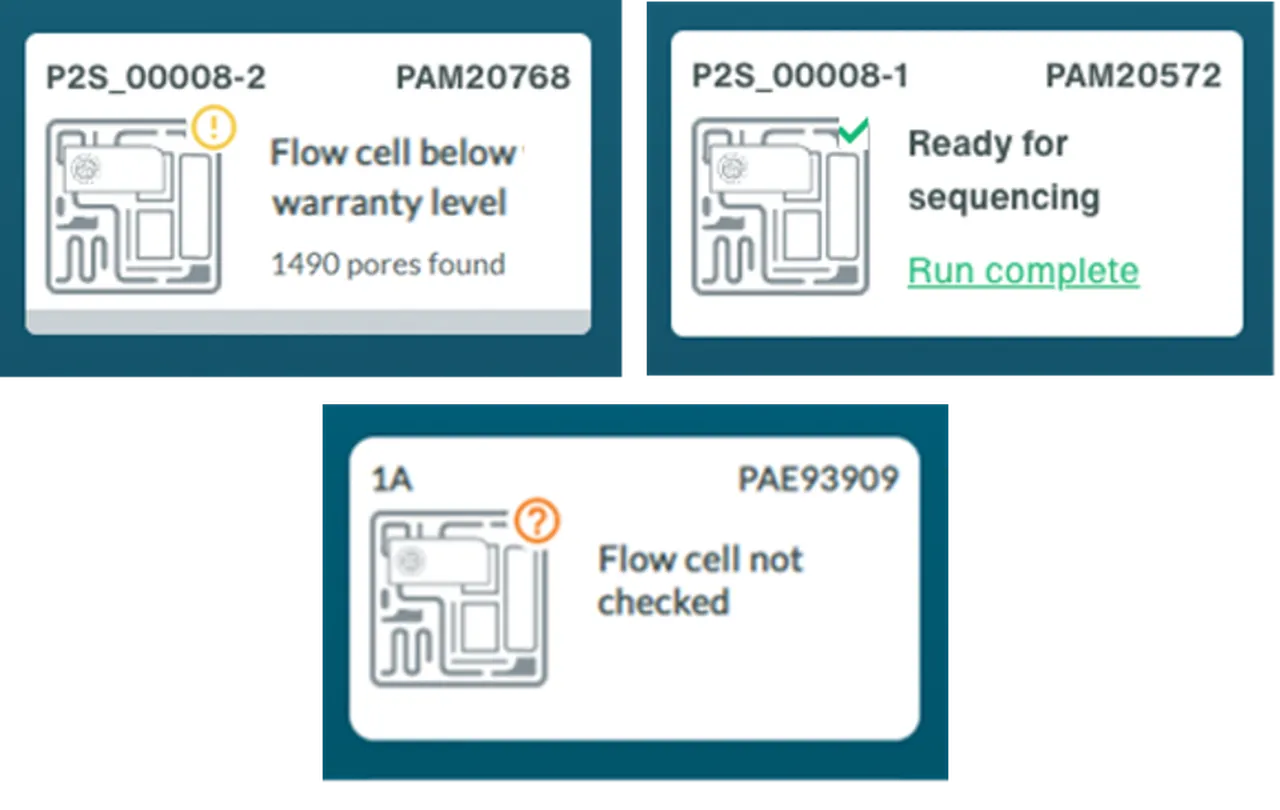
Depending on your application, you can wash and reuse our flow cells up to six times using the Flow Cell Wash Kit. Real-time data streaming also allows you to stop sequencing once sufficient data has been generated, helping preserve pores for future runs. Flow cells should be stored at 2–8°C upon receipt and between uses.
Find out how to store flow cells, check pore availability, and wash flow cells.

Recycle used flow cells
Once flow cells have reached the end of their useful life, return them to us for recycling. We can recycle some of the electrical components, helping to reduce the environmental impact of our products.
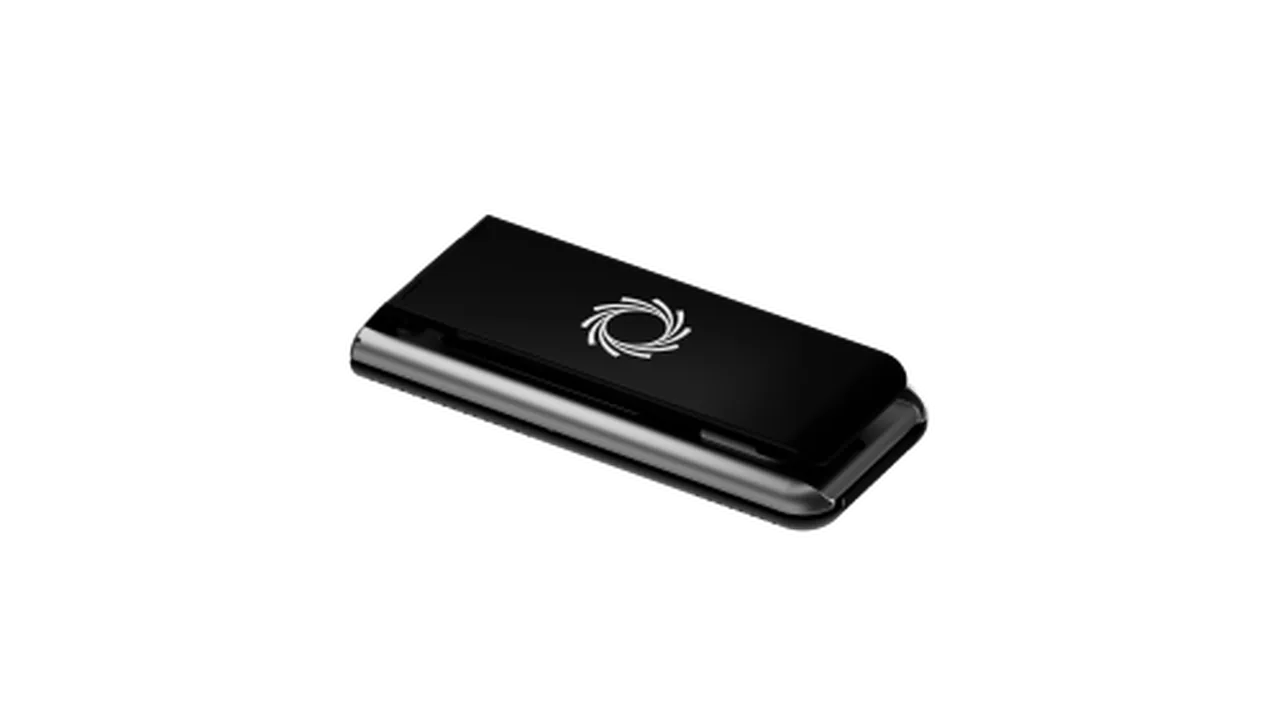
MinION
Portable yet powerful, MinION is ideal for labs looking for rapid results without compromise.
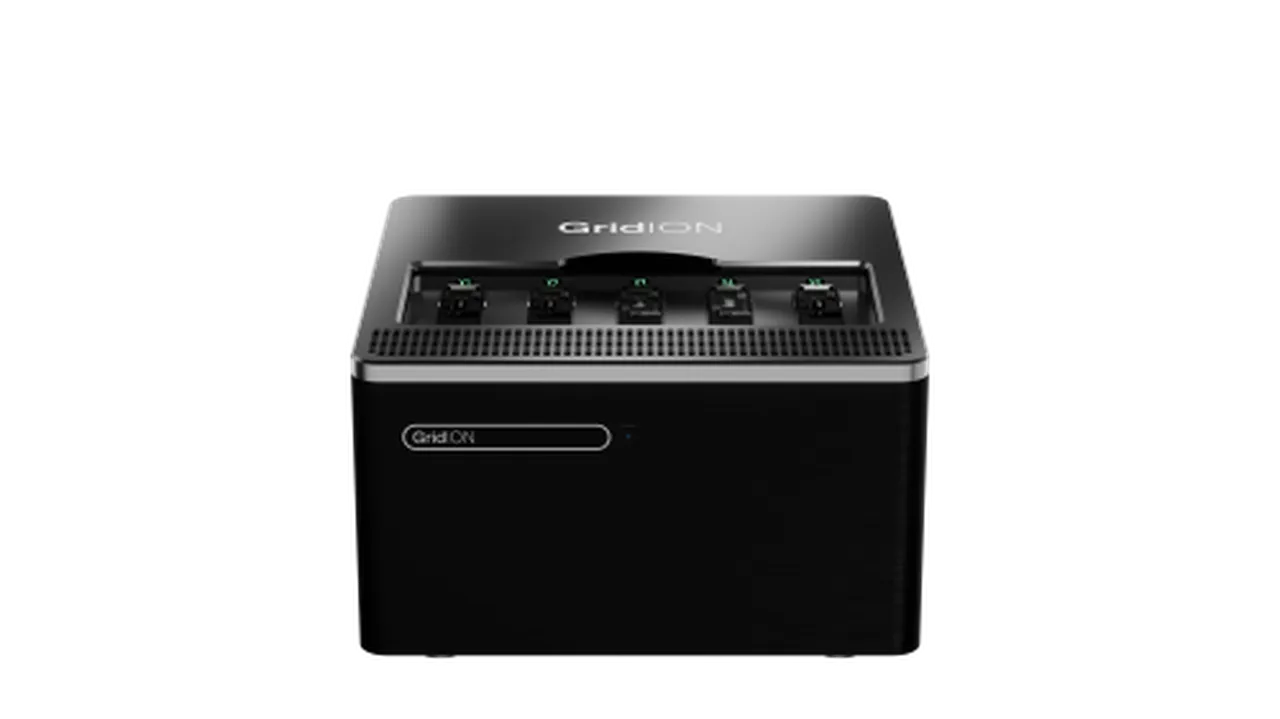
GridION
GridION is the benchtop nanopore sequencer that flexes with you, offering up to five independent MinION Flow Cells to use as and when you need.
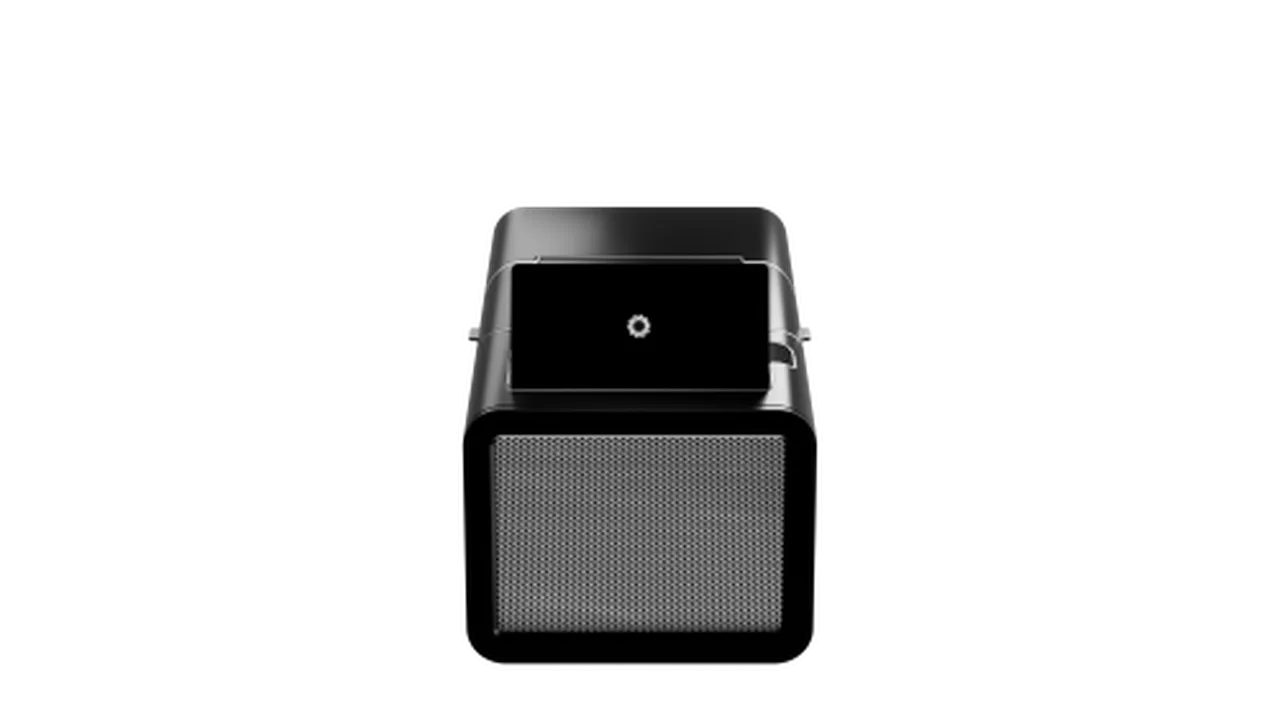
PromethION 2 Integrated
PromethION 2 Integrated brings high-output sequencing to more labs, running up to two independent PromethION Flow Cells with high-performance onboard compute.
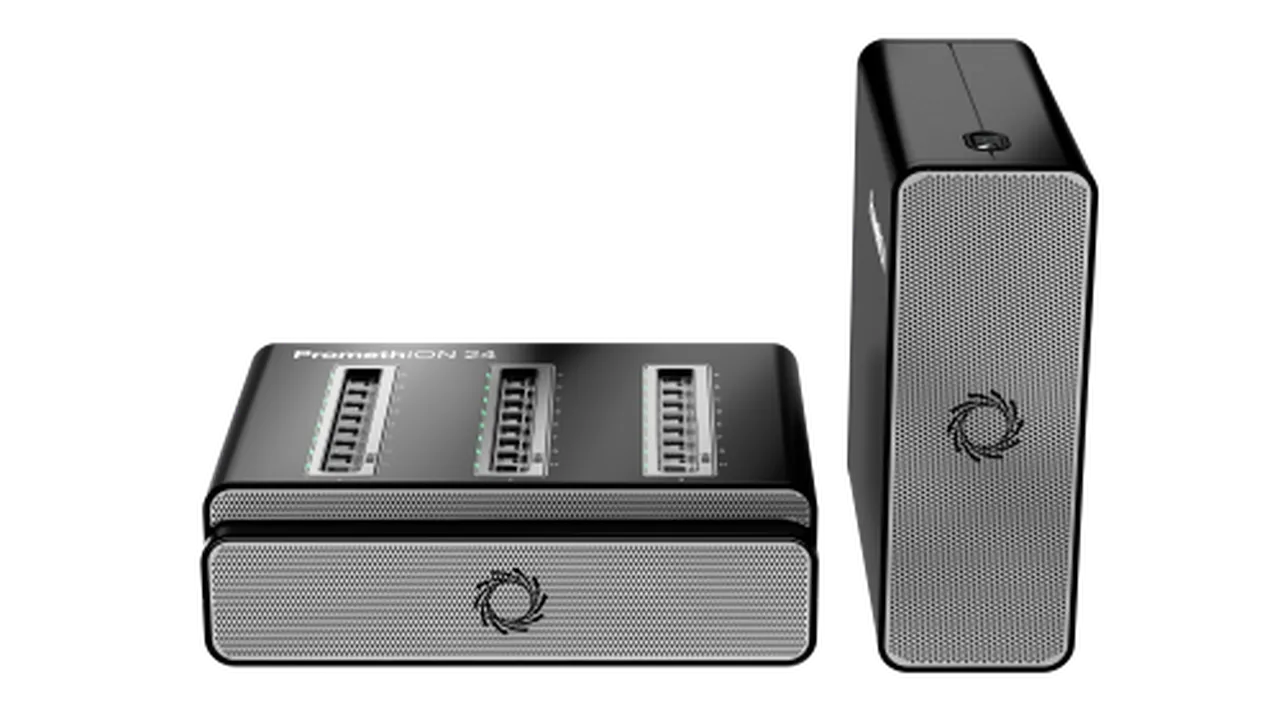
PromethION 24
Multiply your insights with PromethION 24, the production-scale nanopore sequencer that puts you in control of up to 24 high-output PromethION Flow Cells.
Get in touch
Subscribe
Talk to us
If you have any questions about our products or services, chat directly with a member of our sales team.


