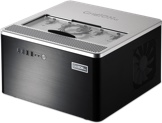
Q-Line Rapid PCR Barcoding Kit 24 V14 (Q-SQK-RPB114.24) (Q_RPB114.24_RevA_01Jun2026)


GridION: Protocol
Q-Line Rapid PCR Barcoding Kit 24 V14 (Q-SQK-RPB114.24) V Q_RPB114.24_RevA_01Jun2026
For Research Use Only. Not for use in diagnostic procedures.
Manufacturer: Oxford Nanopore Technologies, Gosling Building, Edmund Halley Rd, Oxford Science Park, Oxford, OX4 4DQ, United Kingdom
FOR RESEARCH USE ONLY.
NOT FOR USE IN DIAGNOSTIC PROCEDURES.
Contents
Introduction to the protocol
Library preparation
概览
For Research Use Only. Not for use in diagnostic procedures.
Manufacturer: Oxford Nanopore Technologies, Gosling Building, Edmund Halley Rd, Oxford Science Park, Oxford, OX4 4DQ, United Kingdom
1. Overview of the protocol
This kit is recommended for users who:
- Want to multiplex samples to reduce price per sample
- Have a low starting amount of DNA
- Require a simple library preparation procedure
This protocol describes how to carry out rapid low-input barcoding of genomic DNA using the Q-Line Rapid PCR Barcoding Kit 24 V14 (Q-SQK-RPB114.24). There are 24 unique barcodes, allowing the user to pool up to 24 different samples in one sequencing experiment.
Workflow
The gDNA is prepared for sequencing by undergoing tagmentation to fragment the DNA and to simultaneously attach PCR primers to the fragment ends. PCR is performed and rapid barcode primers are attached to the DNA ends in the same step. After barcoding, the samples are pooled and the rapid sequencing adapter is attached to the ends of the DNA samples for sequencing.
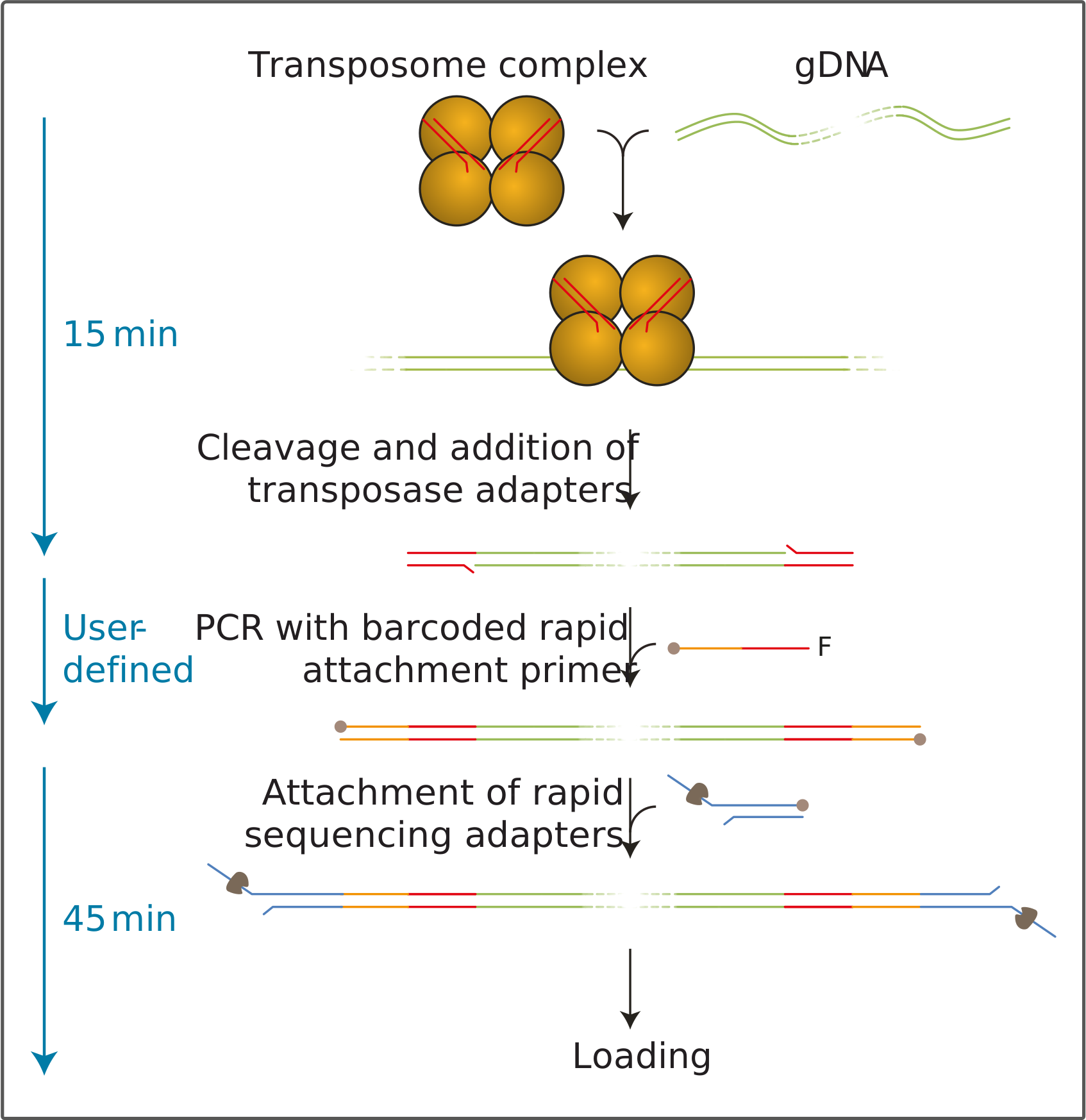
Steps in the sequencing workflow:
Prepare for your experiment
You will need to:
- Extract your DNA and check its length, quantity and purity. The quality checks performed on input samples are essential to ensure experimental success.
- Ensure you have your sequencing kit, the correct equipment, and third-party reagents.
- Ensure a compatible assay is installed on your Sequencing Software.
Library preparation
You will need to:
- Tagment your DNA using the Fragmentation Mix in the kit.
- Perform PCR using the barcoded primer supplied in the kit.
- Attach sequencing adapters supplied in the kit to the DNA ends.
- Prime the flow cell and load your DNA library into the flow cell.
Sequencing
You will need to start an assay using the Sequencing Software, which will collect raw data from the device and convert it into basecalled reads. There is also an option to demultiplex reads into barcode-specific folders.
Compatibility of this protocol
This protocol should only be used in combination with:
- Q-Line Rapid PCR Barcoding Kit 24 V14 (Q-SQK-RPB114.24)
- Q-Line GridION
- Q-Line MinION Flow Cell R10 (Q-FLO-MIN114)
Considerations for use
Warnings
- Follow Good Laboratory Practice in relation to personal safety, including but not limited to the use of personal protective equipment when handling the samples and test reagents. Refer to Safety Data Sheets provided with the product for specific safety requirements.
- Take care to prevent the reagents from contacting your skin, eyes, and mucous membranes.
- If contact occurs, immediately wash the affected area with soap and water. Thoroughly wash hands after handling samples and test reagents.
- In the event of a serious incident, contact the Manufacturer of the device. The user may also wish to contact the competent authority of the Member State in which the device was used.
- The Q-Line GridION as supplied provides only raw sequence data, which requires validated downstream analysis and the inclusion of assay-specific controls.
- Using the Q-Line GridION outside of the intended use is not recommended and is at the user’s risk.
Precautions
- Refer to local or WHO health and safety guidance for handling samples containing hazard group (HG)/BioSafety Level (BSL) 3 organisms.
- Decontaminate surfaces with 0.5% sodium hypochlorite (bleach) diluted with deionised or purified water.
- Prevent contamination of reagents by following standard contamination prevention procedures including but not limited to the use of personal protective equipment and using filter pipette tips for handling DNA.
- Reagents must be stored under the indicated storage conditions before and after use.
- Waste should be disposed of in accordance with local waste disposal regulations.
- Do not mix different lots of reagents.
- We recommend using DNase-free pipette tips.
- Never reuse the consumables intended for single use (for example, tips, gloves, and test tubes).
- When using a pipette, use correct volumes and adhere to manufacturer’s instructions. The use of multichannel pipettes is recommended where possible. Mouth pipettes must not be used.
- Do not use the reagents if the package is damaged or reagent tubes are leaking (reagents may be compromised, leading to an incorrect result). Please contact technical support.
- Do not use test reagents after their expiration date.
- Do not use the flow cell if the package is damaged or the flow cell is leaking as the flow cell may be compromised, leading to an incorrect result. If leakage occurs, refer to the Flow Cell Safety Data Sheet for handling guidance, and contact technical support.
- Following recalibration, flow cells should be used within 7 days.
- After use, the flow cell must be prepared for return and disposal as described in the Q-Line GridION user guide.
Sequencing performance specifications
| Library description | Sequencing run time | Accuracy | Data output |
|---|---|---|---|
| 48 kb fragment - 24 barcodes | 24 hours | ~99.2% modal single-read accuracy | >400 Mb per sample |
| 3.6 kb fragment - 24 barcodes | 24 hours | ~99.2% modal single-read accuracy | >400 Mb per sample |
| Microbial community - 24 barcodes | 24 hours | ~99.3% modal single-read accuracy | >450 Mb per sample |
Statistics are representative of average observed performance in verification tests. Output per sample represents the minimum average output. Values vary depending on sample quality, library preparation method, flow cell type, and basecalling model. Values provided assume high-quality samples that are prepared following our optimised protocols.
2. Equipment and consumables
材料
- 1–5 ng high molecular weight genomic DNA
- Q-Line Rapid PCR Barcoding Kit 24 V14 (Q-SQK-RPB114.24)
耗材
- Q-Line MinION Flow Cell R10 (Q-FLO-MIN114)
- Qubit™ 1x dsDNA HS Assay Kit (ThermoFisher, Q33230)
- Bovine Serum Albumin (BSA)
- 乙醇,100%(例如 Fisher, 16606002)
- PCR grade water
- LongAmp 热启动 Taq 酶 2X 预混液(NEB, M0533)
- Qubit™ 分析管(ThermoFisher,Q32856)
- 5 ml Eppendorf DNA LoBind 离心管
- 1.5 ml Eppendorf DNA LoBind 离心管
- 0.2 ml 薄壁PCR管
- 无核酸酶水(如 ThermoFisher,AM9937)
仪器
- Q-Line GridION (Q-GRD-MK1)
- Q-Line MinION Flow Cell R10 Light Shield
- 迷你离心机
- 计时器
- 热循环仪
- 适用于1.5ml Eppendorf 离心管的磁力架
- Hula混匀仪(低速旋转式混匀仪)
- 涡旋混匀仪
- 盛有冰的冰桶
- Qubit荧光计 (或用于质控检测的等效仪器)
- P1000 移液枪和枪头
- P200 移液枪和枪头
- P100 移液枪和枪头
- P20 移液枪和枪头
- P2 移液枪和枪头
起始DNA
DNA质控
选择符合质量和浓度要求的起始DNA至关重要的。使用过少或过多的DNA,或者质量较差的DNA(如,高度碎片化、含有RNA或化学污染物的DNA)都会影响文库制备。
有关如何对DNA样品进行质控,请参考起始DNA/RNA质控实验指南 。
化学污染物
从原始样本中提取DNA的方法不同,可能会导致经纯化的DNA中所残留的化学污染物不同。这会影响文库的制备效率和测序质量。请在牛津纳米孔社区的 Contaminants(污染物)页面 了解更多信息。
Q-Line Rapid PCR Barcoding Kit 24 V14 (Q-SQK-RPB114.24) contents
| Name | Abbreviation | Cap colour | Quantity | Minimum fill volume per container (µl) |
|---|---|---|---|---|
| Fragmentation Mix | FRM | Amber | 1 | 144 |
| Rapid Adapter | RA | Green | 1 | 9 |
| Adapter Buffer | ADB | Clear | 1 | 21 |
| AMPure XP Beads | AXP | N/A | 1 | 4,580 |
| Elution Buffer | EB | Black | 1 | 90 |
| EDTA | EDTA | Blue | 1 | 576 |
| Sequencing Buffer | SB | Red | 1 | 225 |
| Library Beads | LIB | Pink | 1 | 153 |
| Flow Cell Flush | FCF | N/A | 1 | 7,020 |
| Flow Cell Tether | FCT | Purple | 1 | 180 |
| Rapid Barcode Primer 01–24 | RLB01–24 | N/A | 2 plates, 3 sets of primer barcodes per plate | 10 per well |
Note: The AMPure XP reagent manufactured by Beckman Coulter, Inc. can be stored at –20°C with the kit without detriment to reagent stability.
3. Computer requirements and software
Q-Line GridION IT requirements
The Q-Line GridION device contains all the hardware required to control up to five sequencing experiments simultaneously and acquire the data. The device is further enhanced with high-performance GPU technology for real-time basecalling. Read more in the Q-Line GridION configuration guide.
The Sequencing Software
The Sequencing Software controls the GridION, collects sequencing data in real-time and processes it into basecalled reads. The software can also demultiplex reads by barcode, and basecall/demultiplex data after a sequencing run has completed. You will be using the Sequencing Software for every assay you run.
For instructions on how to run the Sequencing Software on the GridION, please refer to the Q-Line GridION user guide.
4. Library preparation
材料
- 1–5 ng high molecular weight genomic DNA
- 片段化反应试剂(FRM)
- Rapid Barcode Primers (plate format, RPB01–24, at 1 μM)
- AMPure XP 磁珠(AXP)
- Ethylenediaminetetraacetic acid (EDTA)
- 洗脱缓冲液(EB)
耗材
- LongAmp 热启动 Taq 酶 2X 预混液(NEB, M0533)
- 无核酸酶水(如 Thermo Scientific,AM9937)
- PCR grade water
- 新制备的 80% 乙醇(用无核酸酶水配制)
- 0.2 ml 薄壁PCR管
- 1.5 ml Eppendorf DNA LoBind 离心管
- Qubit™ 1x dsDNA HS Assay(双链DNA高灵敏度检测)试剂盒(ThermoFisher,Q33230)
- Qubit Assay Tubes (e.g. ThermoFisher Q32856 or equivalent)
- 5 ml Eppendorf DNA LoBind 离心管
仪器
- 热循环仪
- Hula混匀仪(低速旋转式混匀仪)
- 适用于1.5ml Eppendorf 离心管的磁力架
- 盛有冰的冰桶
- 迷你离心机
- 涡旋混匀仪
- P2 移液枪和枪头
- P20 移液枪和枪头
- P100 移液枪和枪头
- P200 移液枪和枪头
- P1000 移液枪和枪头
- Qubit荧光计 (或用于质控检测的等效仪器)
Sample preparation and tagmentation
Samples will be diluted to the appropriate concentration and tagmented with PCR primer sites.
Thaw components at room temperature, spin down briefly, mix by pipetting as indicated by the table below, and then store on ice.
| Reagent | 1. Thaw at room temperature | 2. Briefly spin down | 3. Mix well |
|---|---|---|---|
| Fragmentation mixture (FRM) | Not frozen | ✓ | Mix by pipetting |
| Rapid Barcode Primers (RLB01–24) | Not frozen | ✓ | Mix by pipetting |
| EDTA (EDTA) | ✓ | ✓ | Mix by pipetting or vortexing |
| AMPure XP Beads (AXP) | ✓ | ✓ | Mix by vortexing |
| Elution Buffer (EB) | ✓ | ✓ | Mix by pipetting or vortexing |
| LongAmp Hot Start Taq 2X Master Mix | ✓ | ✓ | Mix by pipetting |
条形码板孔仅限一次性使用。使用前请确认所选孔密封完好;一旦刺穿或开启,不得再次使用。
Ensure your barcode well is sealed before use, and do not reuse the barcode well once pierced/opened.
For each sample, transfer 5 ng of sample to a 0.2 ml PCR tube, and adjust to 3 µl with PCR grade water.
Note: 5 ng is recommended, while 1–5 ng can be used accordingly. Lower inputs may lead to lower than expected performance and require adjusting other steps. More information can be found in the Q-Line Rapid PCR Barcoding Kit 24 V14 supplementary information document.
Add 1 µl of FRM to the sample tube(s).
Mix thoroughly by flicking and spin down briefly.
Place the tube(s) into a thermal cycler and incubate with the following settings: 30°C for 2 minutes, 80°C for 2 minutes, and hold at 4°C (∞).
Barcoding, PCR and pooling
Samples will be barcoded with PCR primers, amplified and equimolar pools will be prepared for final libraries.
Take the samples off ice and spin down briefly.
For each sample, set up a PCR reaction as follows in a 0.2 ml thin-walled PCR tube:
| Reagent | Volume (µl) |
|---|---|
| Tagmented DNA (from previous step) | 4 |
| PCR grade water | 11 |
| LongAmp Hot Start Taq 2X master mix | 25 |
| Rapid Barcodes (RLB01–24)* | 10 |
| Total | 50 µl |
| *Use a unique barcode for each sample being prepared. An appropriate multichannel pipette can be used at this step. |
Mix each PCR reaction by pipetting, then briefly spin down.
Place the tube(s) into the thermal cycler and incubate using the following settings:
| Cycle step | Temperature (°C) | Time | Number of cycles |
|---|---|---|---|
| Initial denaturation | 95 | 3 minutes | 1 |
| Denaturation Annealing Extension | 95 56 65 | 15 seconds 15 seconds 6 minutes | 14 |
| Final extension | 65 | 6 minutes | 1 |
| Hold | 4 | ∞ |
Note: PCR cycles can be increased when running with lower inputs, more information can be found in the Q-SQK-RPB114.24 supplementary information document.
Once the programme has finished, remove the tubes and spin down briefly.
Add 4 µl of EDTA to each barcoded sample.
Mix thoroughly by pipetting and spin down briefly.
Incubate the samples at room temperature for 5 minutes.
Quantify 1 µl of each barcoded sample using a Qubit fluorometer.
Create an equimolar pool totalling 800 ng (recommended, 200–800 ng can be pooled accordingly) in a 1.5 ml Eppendorf DNA LoBind tube.
Note: The pooling mass can be adjusted here. It is recommended to pool at the higher range for a more balanced library. More information can be found in the Q-Line Rapid PCR Barcoding Kit 24 V14 supplementary information document.
Resuspend the AMPure XP Beads (AXP) by vortexing for 30 seconds immediately before using.
Add 0.6x of the pooled sample volume of AXP to the entire pooled sample from step 16.
Mix by pipetting.
Incubate on the hula mixer for 5 minutes at room temperature.
Prepare at least 3 ml of 80% ethanol with nuclease-free water.
Briefly spin down the pooled library then place on a magnetic rack and allow the beads to pellet.
When clear, keeping the sample on the magnet, pipette off the supernatant.
Keep the tube on the magnet and cover the beads with 1 ml of freshly prepared 80% ethanol without disturbing the pellet.
Remove the ethanol using a pipette and discard.
Repeat the previous two steps.
Briefly spin down and place the tube back on the magnet. Pipette off any residual ethanol. Allow to dry for 30 seconds, but do not dry the pellet to the point of cracking.
Remove the tube from the magnetic rack and resuspend the pellet in 15 µl Elution Buffer (EB).
Incubate at room temperature for 5 minutes.
Briefly spin down, pellet the beads on a magnet until the eluate is clear and colourless, for at least 1 minute.
Transfer 15 µl of eluate into a clean 1.5 ml Eppendorf DNA LoBind tube.
Dispose of the pelleted beads.
Quantify 1 µl of the library using a Qubit fluorometer.
Store the library on ice until ready to adapt.
5. Priming and loading
材料
- 100 ng library (recommended); 50–200 ng can be used accordingly
- 快速测序文库接头(RA)
- 接头缓冲液(ADB)
- 测序缓冲液(SB)
- 文库颗粒(LIB)
- 测序芯片系绳(FCT)
- 测序芯片冲洗液(FCF)
耗材
- 1.5 ml Eppendorf DNA LoBind 离心管
- Q-Line MinION Flow Cell R10 (Q-FLO-MIN114)
- Bovine Serum Albumin (BSA)
仪器
- Q-Line GridION (Q-GRD-MK1)
- Q-Line MinION Flow Cell R10 Light Shield
- 适用于1.5ml Eppendorf 离心管的磁力架
- 盛有冰的冰桶
- 迷你离心机
- 涡旋混匀仪
- P1000 移液枪和枪头
- P200 移液枪和枪头
- P100 移液枪和枪头
- P20 移液枪和枪头
- P10 移液枪和枪头
- P2 移液枪和枪头
Priming and loading a flow cell
We recommend that all new users watch the 'Priming and loading your flow cell' video before your first run.
Thaw kit components at room temperature, spin down briefly and mix each reagent using the appropriate method shown in the table below:
| Reagent | 1. Thaw at room temperature | 2. Briefly spin down | 3. Mix well by pipetting or vortexing |
|---|---|---|---|
| Rapid Adapter (RA) | Not frozen | ✓ | Pipette |
| Adapter Buffer (ADB) | ✓ | ✓ | Vortex |
| Sequencing Buffer (SB) | ✓ | ✓ | Vortex |
| Library Beads (LIB) | ✓ | ✓ | Pipette or vortex immediately before use |
| Flow Cell Flush (FCF) | ✓ | ✓ | Vortex |
| Flow Cell Tether (FCT) | ✓ | ✓ | Pipette |
| Bovine Serum Albumin (BSA) | ✓ | ✓ | Pipette |
Slide open the Q-Line GridION lid.
Insert the Q-Line MinION R10 Flow Cell.
Insert the flow cell into the device under the clip.
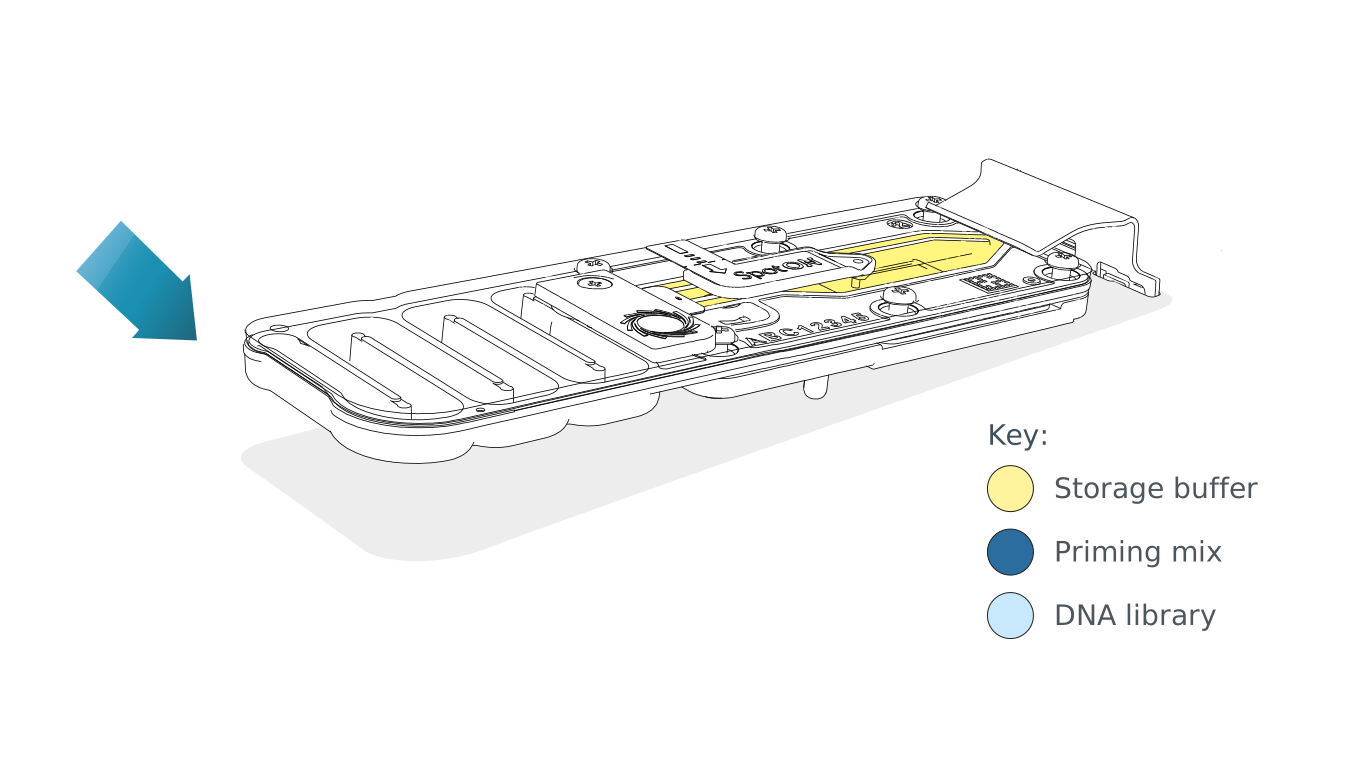 Press down firmly to ensure correct thermal and electrical contact.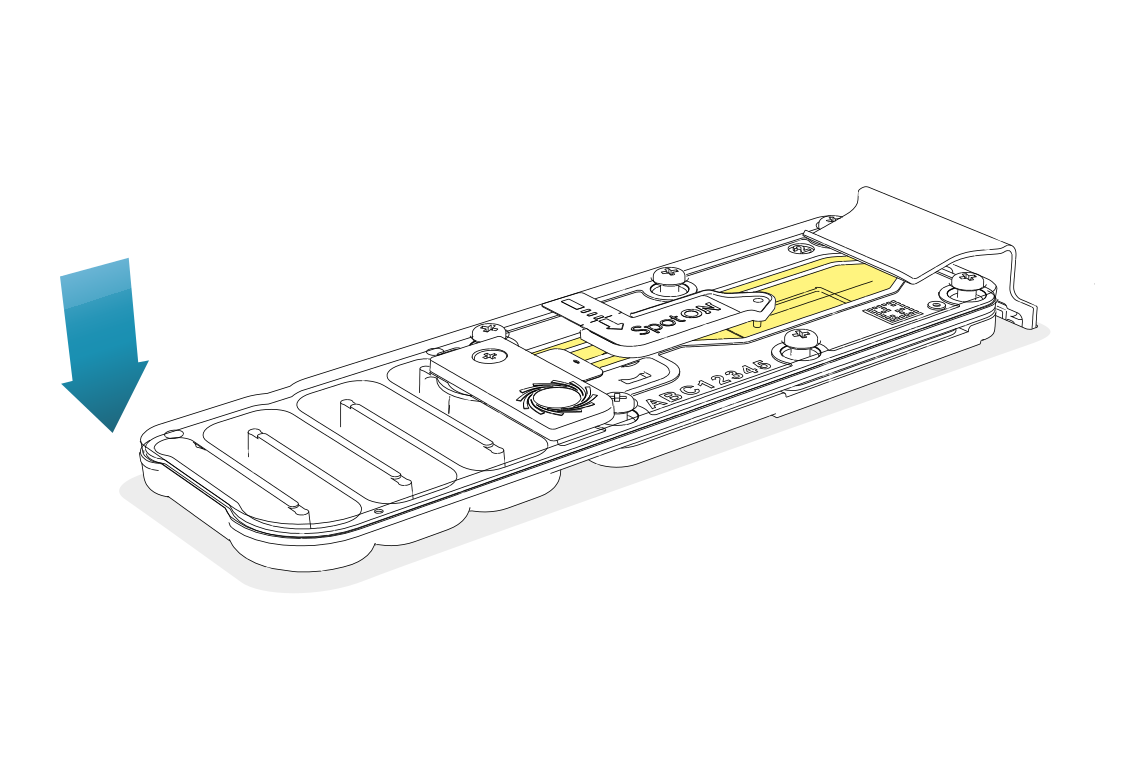
Open the Sequencing Software and navigate to the Run setup page.
Select the Q-SQK-RPB114.24 assay and click Continue.
Import and/or select the correct sample sheet for your sequencing assay run, and then click Continue.
For instructions on how to prepare a sample sheet, please refer to the Q-Line GridION user guide.
Run a flow cell check on a compatible flow cell.
Ensure the flow cell has passed the flow cell check before proceeding.
If a flow cell fails the flow cell check, remove and reinsert the flow cell before running the flow cell check again.
If a flow cell fails a second flow cell check, replace the flow cell.
When the flow cell check has completed, click Continue.
Ensure the library IDs shown by the Sequencing Software match those you are about to prepare.
Gently mix the Rapid Adapter (RA) by pipetting 10 times, and spin down.
Mix the Adapter Buffer (ADB) by vortexing, and spin down.
In a fresh 1.5 ml Eppendorf LoBind tube, dilute the Rapid Adapter (RA) as follows:
| Reagent | Volume (µl) |
|---|---|
| Rapid Adapter (RA) | 1.5 |
| Adapter Buffer (ADB) | 3.5 |
| Total | 5 |
Mix the diluted Rapid Adapter (RA + ADB) by pipetting, and spin down.
In a separate 1.5 ml Eppendorf LoBind tube, dilute libraries to 100 ng (recommended, 50–200 ng can be loaded accordingly) in 11 µl with Elution Buffer.
Add 1 µl of the Rapid Adapter (RA) diluted with Adapter Buffer (ADB) to the barcoded DNA library.
Incubate the reaction(s) for 5 minutes at room temperature (18°C to 23°C).
Note: The prepared library is used for loading onto the flow cell. Store the library on ice or at 4°C until ready to load.
Prepare the flow cell priming mix in a 1.5 ml Eppendorf DNA LoBind tube using the reagents shown in the table below:
| Reagent | Volume (µl) |
|---|---|
| Flow Cell Flush (FCF) | 1,170 |
| Flow Cell Tether (FCT) | 30 |
| Bovine Serum Albumin (BSA) | 5 |
| Total | 1,205 |
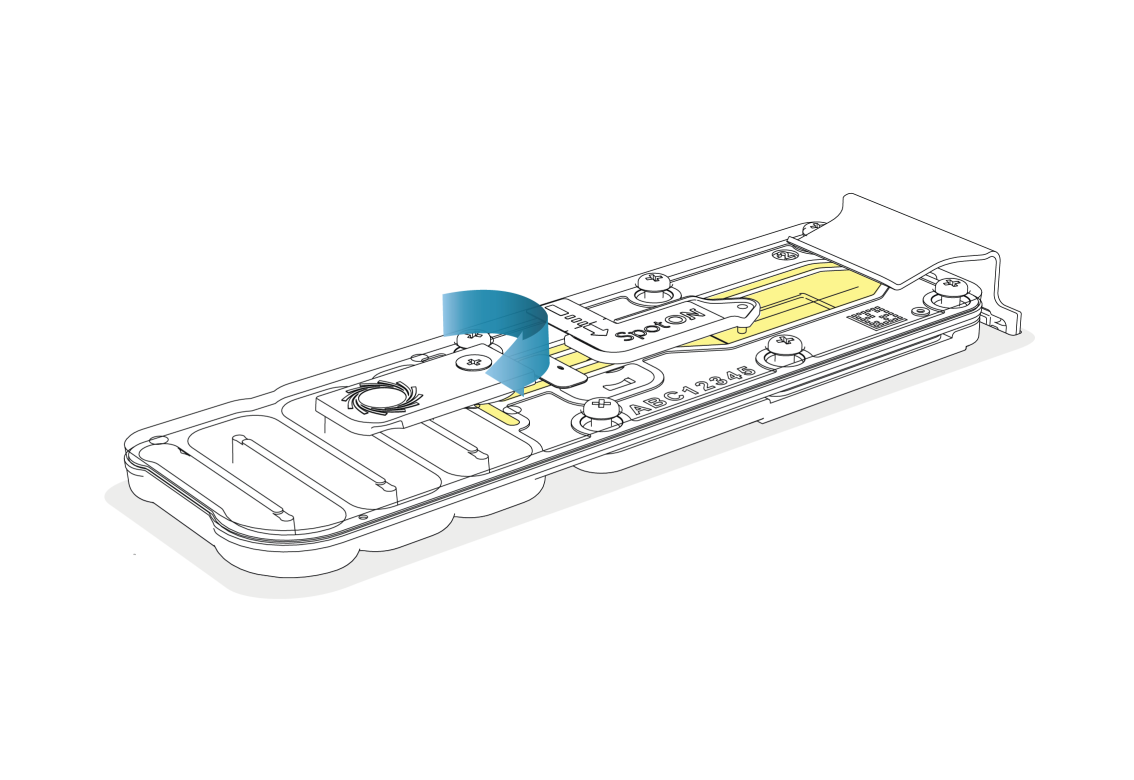
Slide the flow cell priming port cover clockwise to open the priming port.
Note: The priming port cover is located next to the waste channel.
Take care when drawing back buffer from the flow cell.
Do not remove more than 20–30 µl, and make sure that the array of pores is covered by buffer at all times. Introducing air bubbles into the array can irreversibly damage pores.
After opening the priming port, remove any potential air bubbles under the cover by performing the following steps:
- Set a P1000 pipette to 200 µl.
- Carefully insert the tip into the priming port, holding the pipette perpendicular to the flow cell.
- Turn the wheel until the dial shows 220–230 µl to draw back 20–30 µl, or until you can see a small volume of buffer entering the pipette tip.
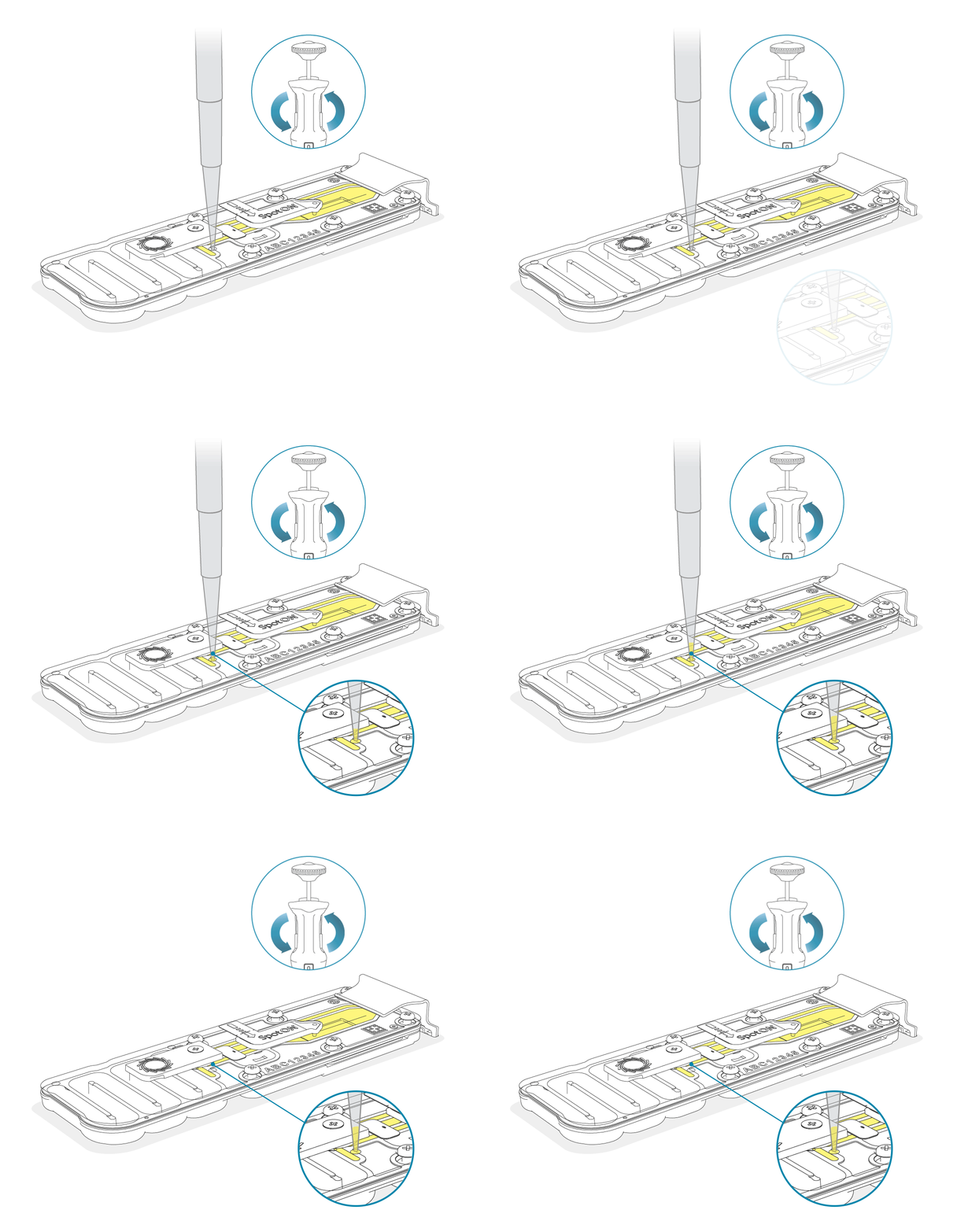
Note: Visually check that there is continuous buffer from the priming port across the sensor array.
Load 800 µl of the priming mix into the flow cell via the priming port, avoiding the introduction of air bubbles.
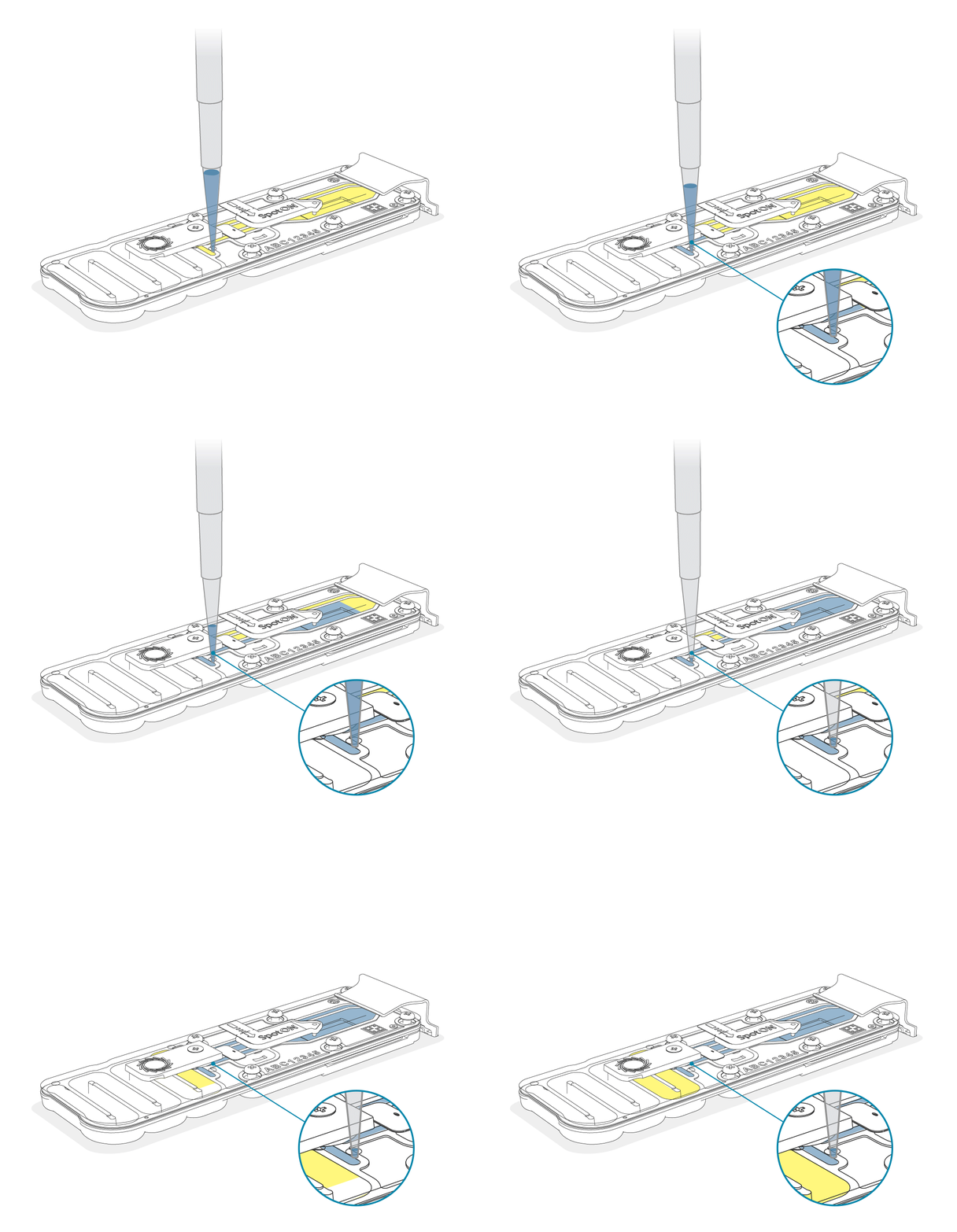
Leave the flow cell to incubate for 5 minutes.
During this time, prepare each library for loading by combining the reagents using the volumes shown in the table below:
| Reagent | Volume (µl) |
|---|---|
| Adapted library (from Priming and Loading step 16) | 12 |
| Sequencing Buffer (SB) | 37.5 |
| Library Beads (LIB) | 25.5 |
| Total | 75 |
Note: Ensure the Library Beads (LIB) are thoroughly mixed immediately before adding to the library.
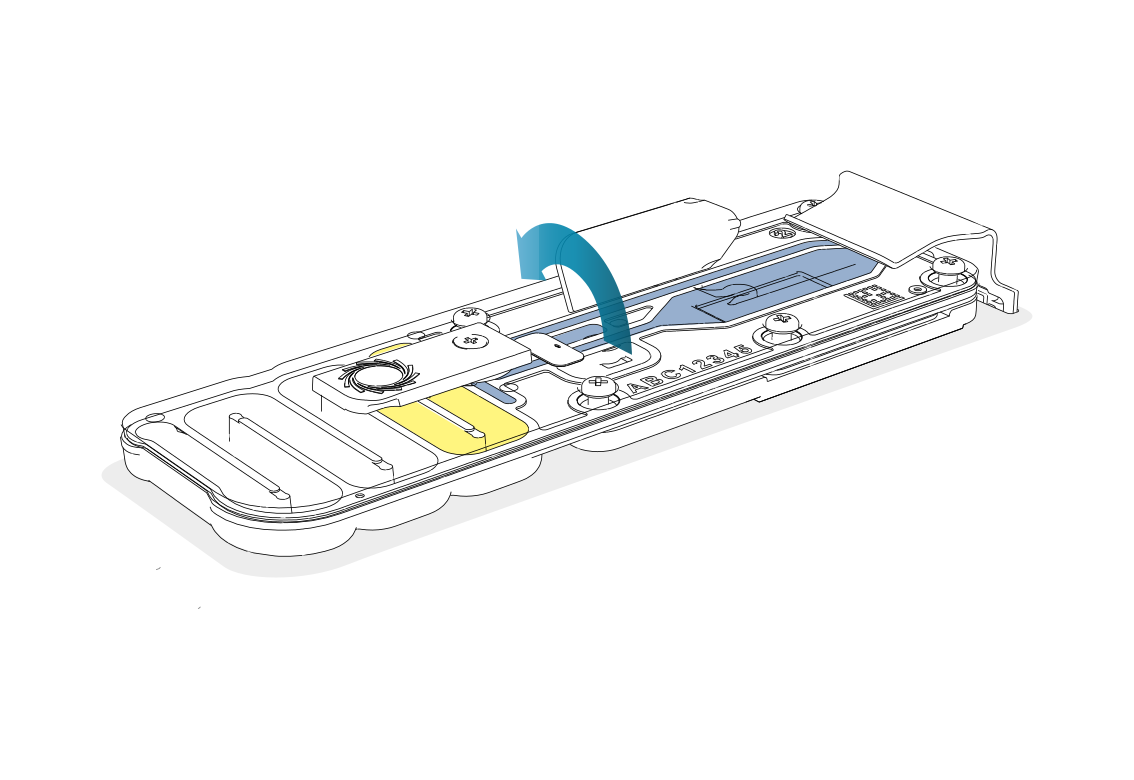
Once the incubation (step 21) is complete, gently lift the SpotON sample port cover to make the SpotON sample port accessible.
Load 200 µl of the priming mix into the flow cell priming port (not the SpotON sample port), avoiding the introduction of air bubbles.
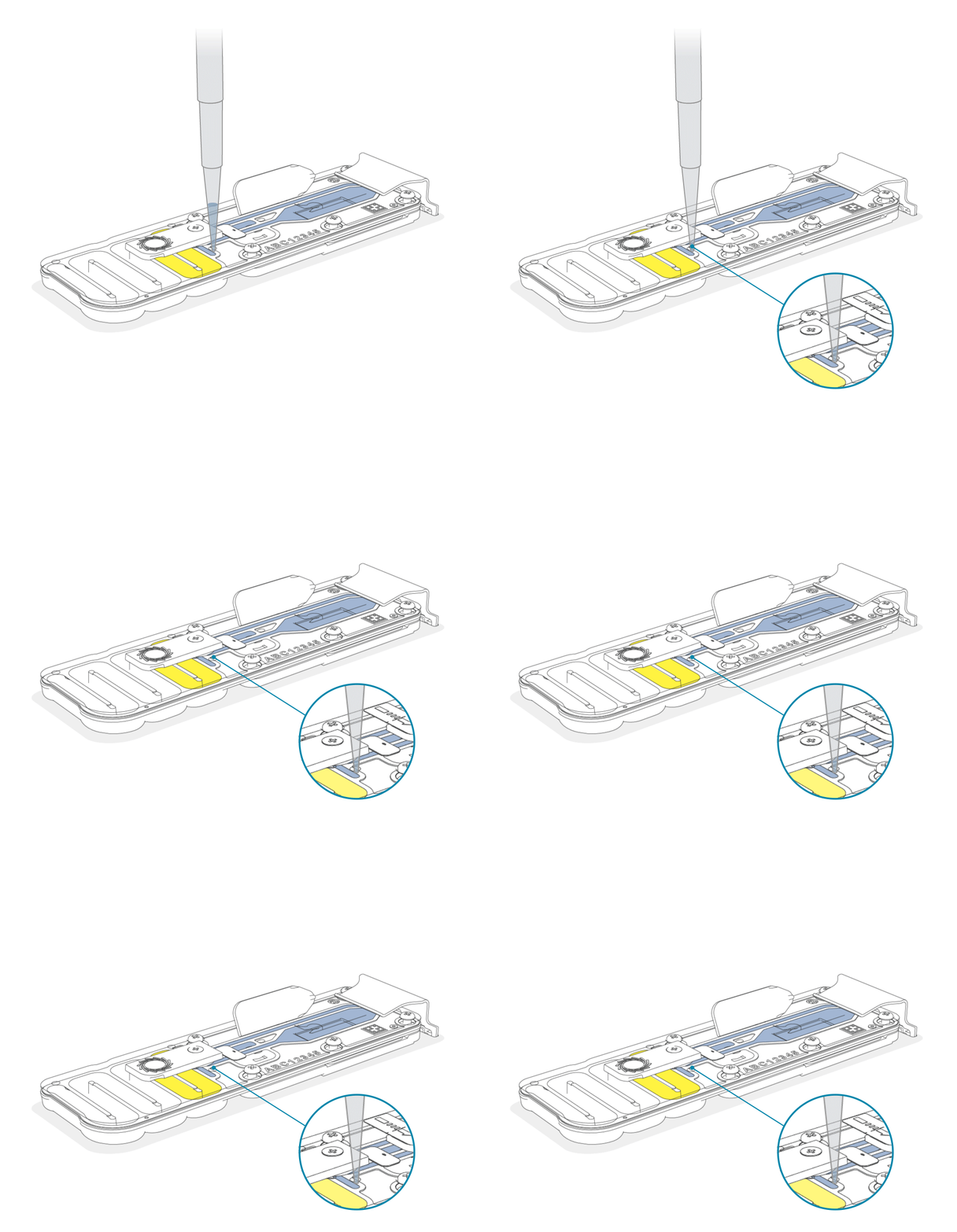
Note: A small volume of priming mix may be visible as a meniscus over the SpotON sample port. Take care not to allow priming mix to spill over the top of the flow cell. The liquid will wick back in through the port once pressure from the pipette is no longer applied.
Mix the prepared library gently by pipetting up and down just prior to loading.
Pay careful attention to the Sequencing Software to ensure that the correct library is loaded onto the correct flow cell.
The Sequencing Software assigns libraries (based on the sample sheet column “library_id”) to flow cells automatically. The libraries must be loaded onto the correct flow cell to ensure that data is correctly attributed to the sample.
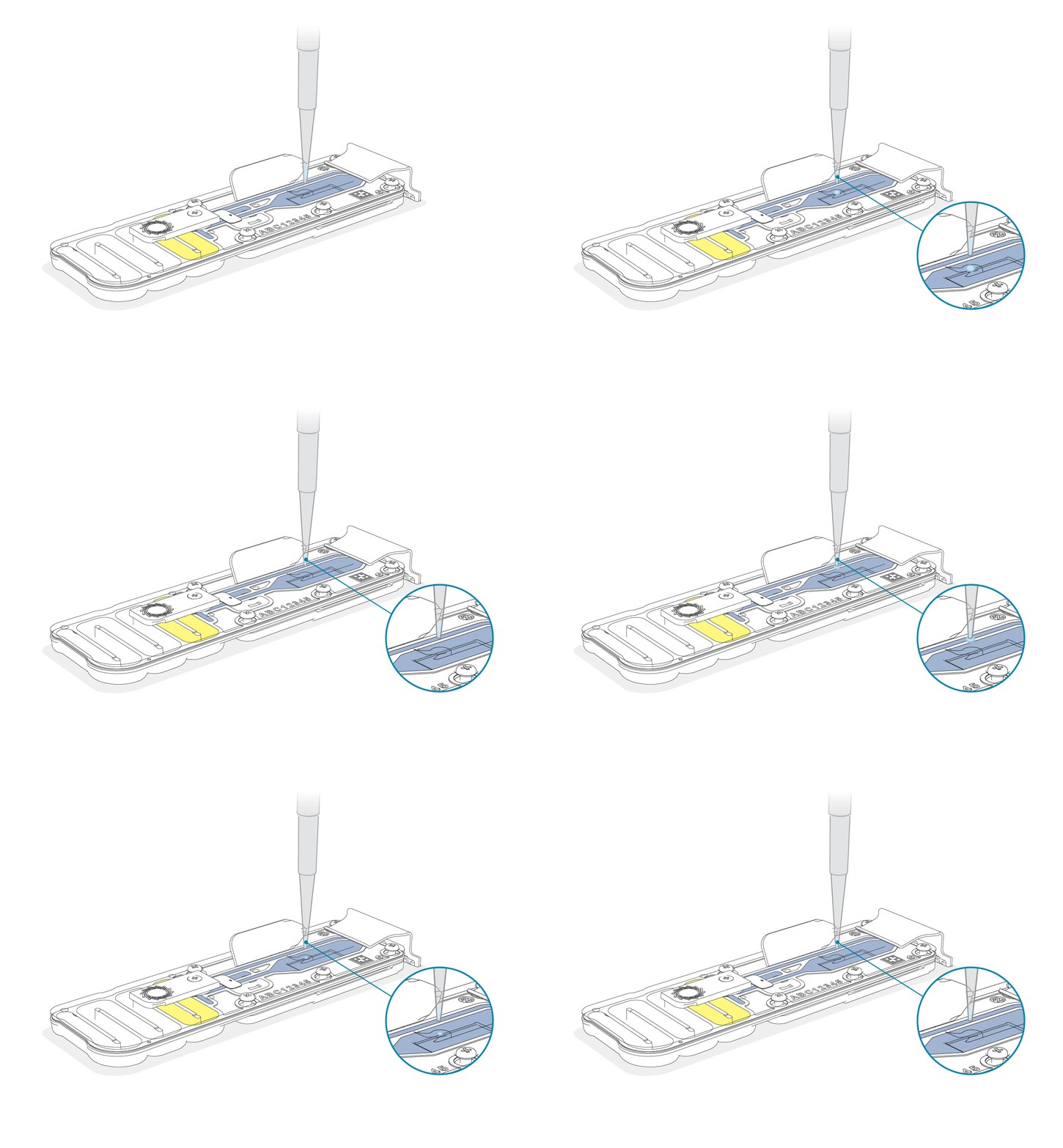
Add 75 µl of the prepared library to the flow cell via the SpotON sample port in a dropwise fashion. Ensure each drop flows into the port before adding the next.
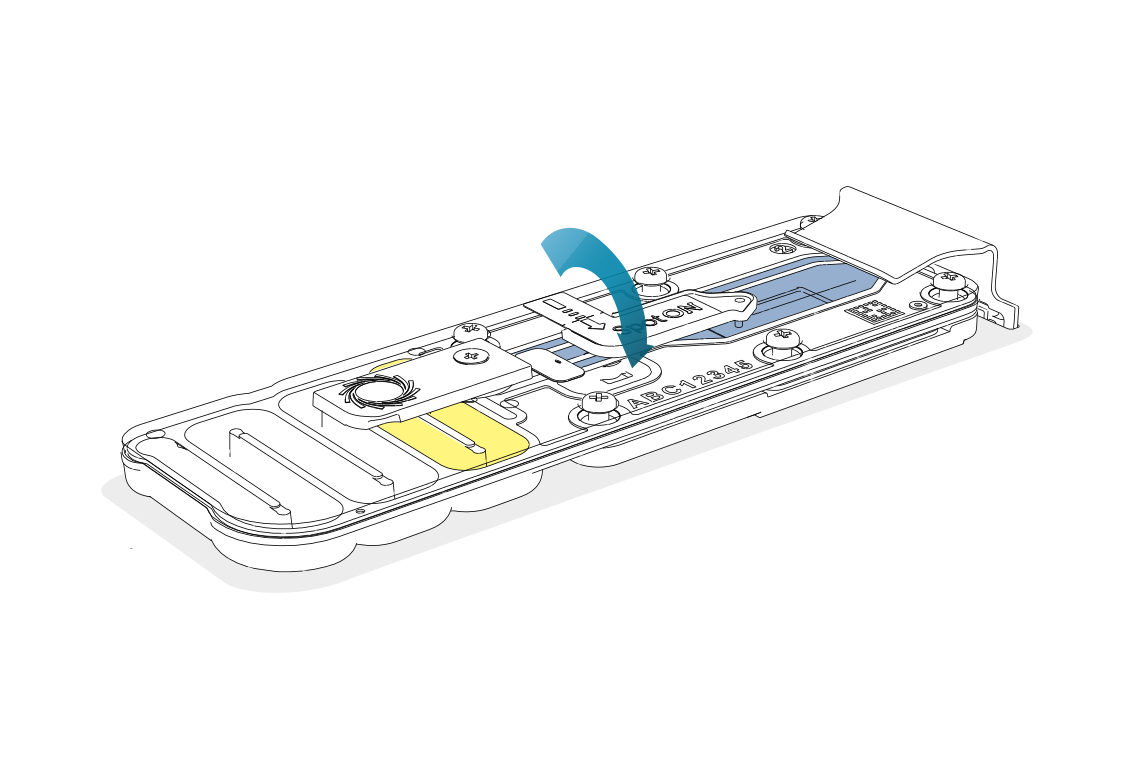
Gently replace the SpotON sample port cover, making sure the bung enters the SpotON port.
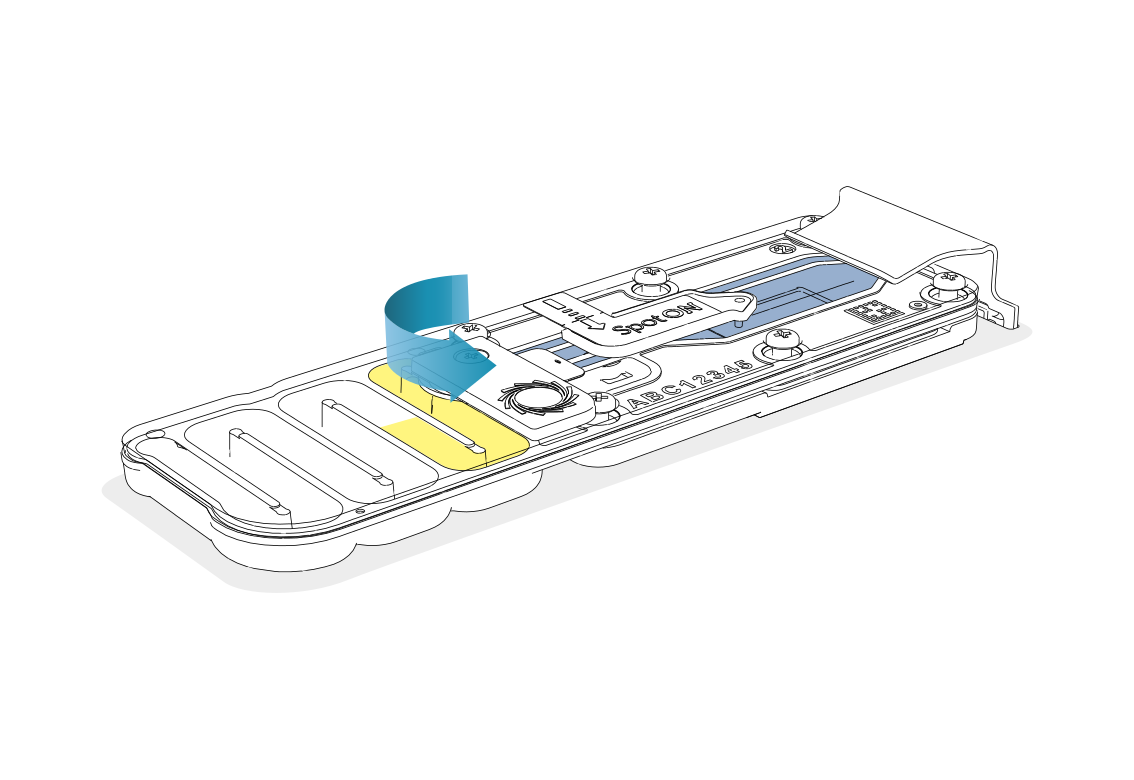
Close the flow cell priming port.
Attach the light shield (supplied with the flow cell).
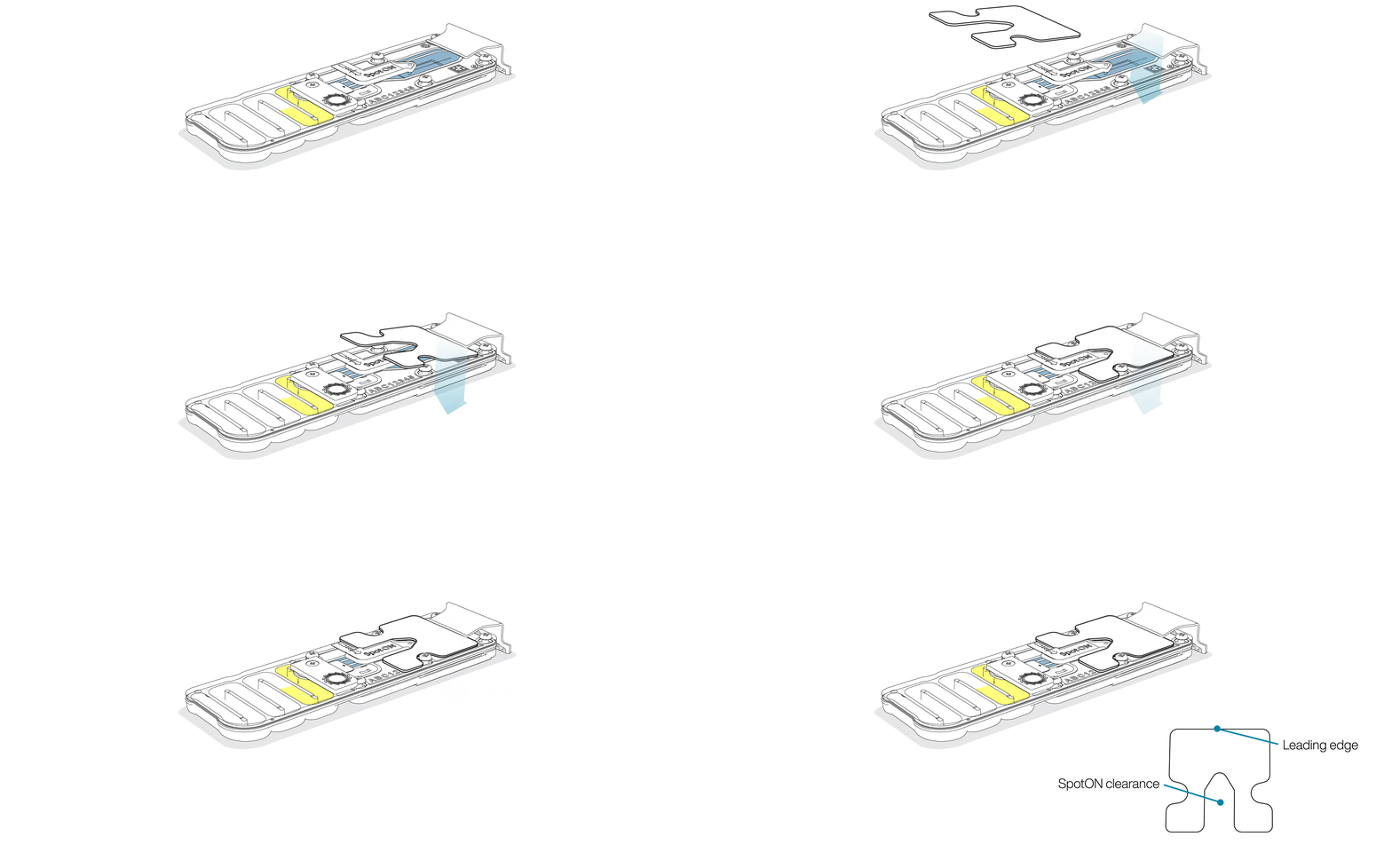
Close the lid of the Q-Line GridION, and click Continue in the Sequencing Software.
Review the details in the Sequencing Software and, if ready, click Run assay.
Note: A prompt will appear in the bottom right corner stating that the run has started. If you did not mean to start it, click Undo within 30 seconds, and the run will not start.
For further information
Refer to the Setting up a run section of the Q-Line GridION user guide.
For technical support
Contact Oxford Nanopore Technologies technical support at: support@nanoporetech.com
Last updated: 8/20/2026
文档选项