Resource Centre
Case study 
Wastewater sequencing — an early warning system for infectious disease outbreaks
Case study 
Case study: understanding the drivers of oncogenesis
Case study 
Case study: ultra-rich nanopore data offers unprecedented insights into the transcriptomes of single cells
Case study 
Case study: the potential of nanopore cell-free RNA sequencing for earlier cancer detection
Case study 
Testimonial: Yaw Bediako
Case study 
Testimonial: Vorasuk Shotelersuk
Case study 
Testimonial: Ahmad Abou Tayoun
Case study 
Testimonial: Jonathan Mill
Case study 
Testimonial: Thidathip Wongsurawat
Case study 
Case study: tackling poliovirus outbreaks and eliminating cell-culture detection methods with nanopore technology
Case study 
Case study: species-level profiling of environmental microbiota with high-accuracy full-length nanopore 16S sequencing
Case study 
Case study: solving the parent-of-origin effect in retinoblastoma to determine disease severity
Case study 
Case study: simple, simultaneous detection of epigenetic and genetic variants for insights into disease mechanisms
Case study 
Case study: revealing hidden biology with isoform-level single-cell transcriptomics
Case study 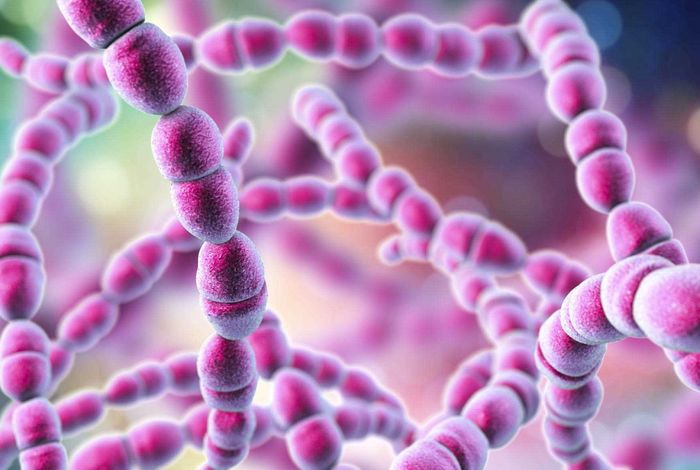
Case study: rapid epidemiological characterisation of a Streptococcus pyogenes outbreak using nanopore whole-genome sequencing
Case study 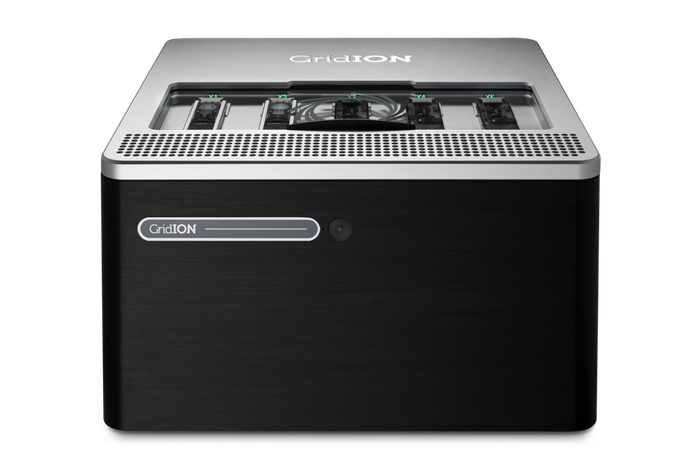
Case study: rapid characterisation of microbial pathogens in healthcare-associated infection samples
Case study 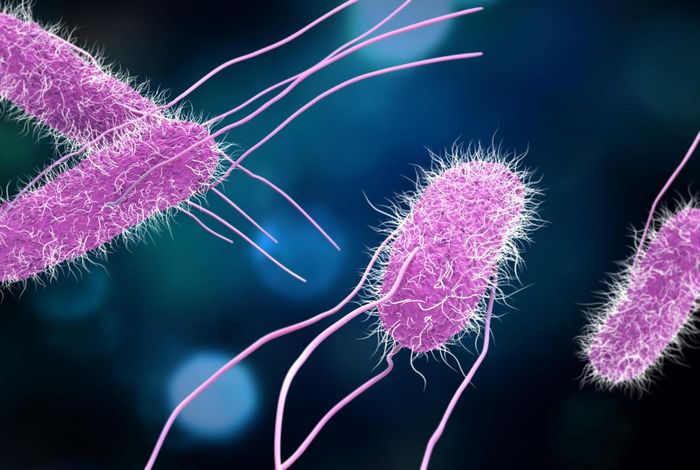
Case study: rapid, accurate characterisation of foodborne Salmonella isolates with nanopore sequencing
Case study 
Case study: powered by long nanopore reads, liver transcriptome analysis reveals new clues about cancer
Case study 
Case study: one size fits all — development of a simple workflow to characterise any pathogen
Case study 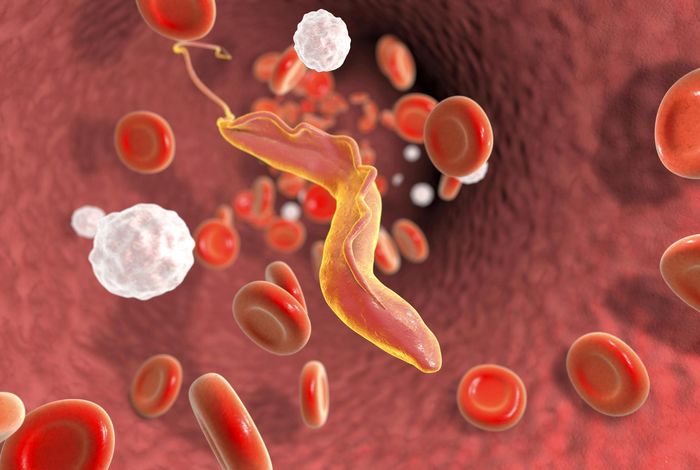
Nanopore sequencing resolves the complex, highly repetitive genome of Trypanosoma cruzi, the causative agent of Chagas disease